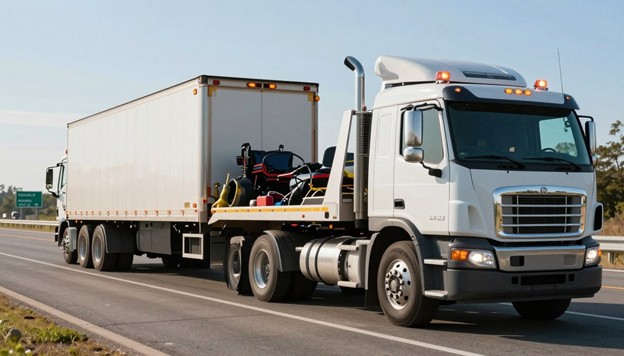
This guide explains the cost to tow a semi-truck and why prices differ. It’s useful for fleet managers, owner-operators, dispatchers, insurance adjusters, and drivers. It offers clear, actionable info on semi truck towing costs across the United States.
It uses trade sources like Tow Times, American Towman, and the Towing and Recovery Association of America. This gives realistic pricing and practical steps for planning recovery work.
We discuss typical national price ranges and how to calculate costs per mile. You’ll also learn what to expect when searching for towing services near you. Factors like weight, trailer status, access, time of day, and permit needs affect costs.
These factors change recovery and long-distance tow estimates. Use this guide to estimate emergency budgets, compare local quotes, and prepare insurance documentation. Decide whether to hire a heavy-duty tow contractor or use in-house recovery assets.
The full article includes sample scenarios, per-mile math, and tips to avoid surprises on the final invoice.
Key Takeaways
- Typical costs vary widely; expect higher prices for recovery and long-distance moves.
- Per-mile rates and minimums are central to how much does it cost to tow a semi truck per incident.
- Vehicle weight, trailer load, and site accessibility drive major cost differences.
- Night, weekend, and emergency calls add surcharges and can double standard rates.
- Get multiple quotes and verify heavy-duty credentials when searching how much does it cost to tow a semi truck near your route.
How Much Does It Cost to Tow a Semi-Truck
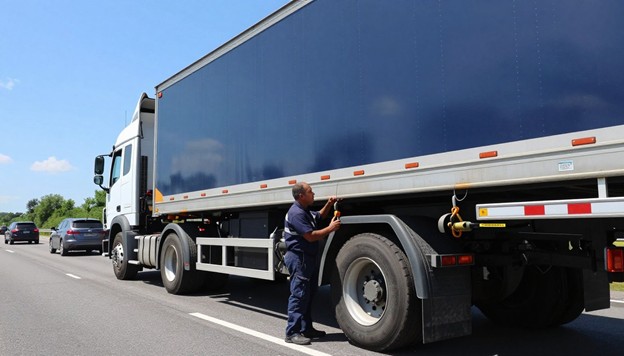
Semi truck towing costs vary a lot. This depends on how far it needs to go, the equipment used, and the situation. For those wondering about the cost, short distances are much cheaper than long ones. This section will explain the different price ranges and scenarios to help estimate costs.
Typical national price ranges for semi truck towing
For a disabled tractor within 10–20 miles, the cost is usually $300–$1,200. Moving a semi over 100 miles can cost between $2,000 and $10,000 or more. If it’s a complex job like a rollover, costs can go over $5,000 and even up to $20,000+ for cleanup or hazardous cargo.
Price differences by tow type: local, long-distance, recovery
Local short-hauls use a heavy wrecker and charge a fee plus per-mile. Prices range from $250–$600 for the initial hookup and $4–$10 per mile after. Long-distance tows increase per-mile rates and add fuel surcharges. Recovery jobs require specialized equipment and can cost more due to hourly rates and extra permits.
Examples of real-world cost scenarios
An empty tractor with a minor issue on an urban interstate might cost $350–$900. A loaded 53′ reefer that needs winching and trailer stabilization after sliding off an exit ramp can cost $1,500–$6,000. An interstate rollover requiring rotator lifts, multiple companies, and hazmat mitigation can cost $15,000–$75,000.
| Situation | Typical Cost Range | Key Cost Drivers |
| Local disabled tractor (short haul) | $300–$1,200 | Hookup fee, truck class, distance, urban access |
| Long-distance tractor-trailer haul (100+ miles) | $2,000–$10,000+ | Per-mile rates, fuel surcharge, driver time, permits |
| Loaded trailer stuck off-ramp | $1,500–$6,000 | Winching, stabilization, trailer condition, load weight |
| Interstate rollover with cleanup | $15,000–$75,000 | Rotator lifts, multiple crews, hazmat, environmental mitigation |
| Complex multi-hour recovery | $5,000–$20,000+ | Equipment rental, crane/rotator time, overtime rates, permits |
Factors That Determine Semi Truck Towing Prices
Semi truck towing costs change due to many factors. Knowing these helps fleets and drivers plan better. Here are the main things that affect the price.
Vehicle weight and combined truck + trailer size
The weight and size of the vehicle matter a lot. A light tractor might need a simple wrecker. But, a heavy load needs more powerful tools like rotators or dollies.
How the trailer is set up and the load’s balance also play a part. Adding extra people and permits for heavy loads increases costs.
Type of incident: flatbed tow, recovery, rollback, winch-out
Simple tows cost less than complex recoveries. Winch-outs from ditches need more gear and people. This makes the job take longer and cost more.
Rollovers need a lot of work and extra hands. Recovery jobs also have higher rates and might include crane rental. These costs add up fast.
Location and accessibility: urban vs rural, highway, off-road
Urban areas have tight spots and rules that slow down work. Narrow roads and busy areas increase the risk and time needed.
Rural areas mean longer trips and more setup. Off-road jobs might need more units and planning. This raises the cost per mile and flat fees.
Time of day and emergency service surcharges
Nights, weekends, holidays, and bad weather come with extra fees. These can be 25% to 100% more. Emergency lane closures and police escorts add to the bill.
Quotes should clearly show these extra charges. This helps plan for unexpected costs like pulling a semi out of a ditch.
Understanding Heavy Duty Towing and Recovery Rates Per Mile
Heavy loads change the math on towing bills. Operators consider gear weight, axle counts, fuel use, and crew time. This mix affects heavy duty towing and recovery rates per mile.
How per-mile rates are calculated for heavy-duty towing
Per-mile pricing reflects direct costs and lost opportunity. Fuel, diesel surcharge, and tire wear are counted first. Then, equipment stress from high axle loads and crew downtime are considered.
Regional labor markets and state permits add variance. A single-axle rollback can’t handle the same loads as a rotator. This difference makes heavy duty towing and recovery rates per mile much higher than consumer tow rates.
Minimums, hookup fees, and waiting time charges
Most companies set a hookup or dispatch fee to cover mobilization. Hook fees range from $200 to $1,200, depending on rig size and incident complexity.
Providers often enforce mileage minimums, like 10–25 miles, or a dollar minimum per job. Waiting and stand-by fees apply when crews are delayed. Expect hourly waiting charges from $75 to $200 or more per unit.
Examples: short haul vs long distance semi truck towing
A short haul under 20 miles might cost $450 hookup plus $6 per mile. This totals about $570 for a simple move with light loading and clear access.
A long-distance tow of 150 miles includes a larger mobilization fee, like $1,200, plus per-mile charges near $5. This scenario totals roughly $1,950 before fuel surcharges or overnight driver layover expenses. These examples show why operators ask vendors detailed questions before committing.
| Service Type | Typical Hookup/Dispatch | Per-Mile Range | Common Extras |
| Short haul (≤20 miles) | $200–$600 | $4–$8 / mile | Minimum mileage, traffic delay fees |
| Regional tow (20–100 miles) | $400–$900 | $5–$10 / mile | Fuel surcharge, pilot car, permits |
| Long haul (100+ miles) | $800–$1,500 | $4–$7 / mile | Driver layover, route permits, escorts |
| Complex recovery (rollover, ditch, winch) | $600–$2,500 | $6–$15+ / mile | Rotator use, multiple crews, heavy rigging |
How Much Does It Cost to Tow a Semi Truck Per Mile
Figuring out the cost to tow a semi per mile involves a few steps. Rates differ based on location, truck type, and job complexity. Here’s how to estimate the cost for your situation.
Range of per-mile rates across the United States
Heavy-duty towing costs about $4–$15 per mile in many places. Cities like Los Angeles, New York, and Chicago might charge more. For big rigs, oversized loads, or busy areas, prices can go over $20 per mile.
Factors that inflate per-mile charges for heavy loads
The number of axles and total length affect the tow truck needed. A loaded 53-foot trailer costs more than an empty tractor. Hazmat cargo needs special handling, adding to costs.
Narrow roads, low bridges, and night moves increase risks and costs. Permits and pilot cars also add to the bill. Fuel surcharges, based on diesel prices, are common on invoices.
How to estimate total cost using per-mile pricing
First, add a hookup fee to the per-mile rate times the distance. Then, include permit and escort fees. Don’t forget waiting time, storage, or extra staff fees if needed. For long hauls, remember to add fuel surcharges and interstate permits.
Practical estimation steps
- Note the hookup fee from the provider.
- Multiply the quoted heavy duty towing and recovery rates per mile by distance.
- Add permit, escort, and waiting fees estimated per hour or per mile.
- Round up 20–30% for contingencies on recovery or long hauls.
| Scenario | Typical Per-Mile Rate | Common Additional Fees | Estimated Total for 100 Miles |
| Light heavy-duty tow (rural) | $4–$7 | Hookup $150, minor permits $50 | $150 + (100×$5) + $50 = $700 |
| Urban multi-axle move | $12–$20 | Hookup $250, escorts $150–$300, permits $200 | $250 + (100×$16) + $300 + $200 = $2,350 |
| Long distance semi truck towing interstate | $8–$15 | Hookup $300, fuel surcharge, multiple permits | $300 + (300×$11) + $600 permits = $4,000 |
| Hazmat or restricted routing | $15–$25+ | High permits, pilot cars, insurance surcharges | $400 hookup + (50×$20) + $500 escorts = $1,900 |
Keep quotes and ask for detailed estimates. This helps compare rates, spot hidden fees, and plan budgets for semi towing without surprises.
How Much Does It Cost to Tow a Semi Truck Near Me
Rates for towing semi trucks vary by location. Cities on the West Coast and Northeast tend to charge more. The Midwest and Southeast might have lower rates but fewer specialized rigs. Rural areas often have only one provider, which can increase costs.
Prices are influenced by local demand. Busy areas and congested ports can raise costs. For example, California or New York might need road permits, adding to the bill. Yet, a tow in Kansas might be cheaper per mile but take longer to set up.
Using local tow companies and getting accurate quotes
When calling, provide all the details. This includes the truck’s length, weight, and if it’s loaded or empty. Also, mention the cargo type and exact location. Ask for a written estimate that includes all fees and costs.
Tips to compare nearby providers and emergency response times
- Check the estimated time of arrival and expected on-scene time.
- Ask for operator certifications and pictures of the tow rig.
- Find out about insurance and spill response if hauling fuel or chemicals.
- Confirm if subcontractors will be used and get their credentials.
| Region | Typical Base Fee | Per-Mile Range | Common Extra Charges |
| Northeast (e.g., NYC, Boston) | $350–$600 | $8–$18 | Permits, lane closure, peak traffic surcharges |
| West Coast (e.g., Los Angeles, Seattle) | $400–$700 | $9–$20 | Air quality fees, oversized load permits, labor premiums |
| Midwest (e.g., Chicago, Kansas City) | $300–$550 | $6–$14 | Equipment scarcity, long hookup times |
| Southeast (e.g., Atlanta, Jacksonville) | $280–$500 | $6–$12 | Seasonal demand, limited heavy rigs in rural counties |
| Rural areas | $300–$650 | $7–$25 | Extra mileage to provider, limited operator availability |
When looking for semi truck towing, use the table to ask questions. Make sure the quote includes all recovery work. This way, you avoid unexpected fees.
How Much Does It Cost to Tow a Semi Truck and Trailer
Towing a tractor alone is usually cheaper than moving a tractor and trailer together. A single heavy wrecker can handle a tractor alone. This makes the job quicker and costs less.
Differences between tractor-only and tractor + trailer tows
But, towing a tractor with the trailer attached is more complicated. You might need extra tools like dollies and lifts. These tools increase the cost of the tow.
Additional equipment and personnel required for trailer towing
For trailer moves, you might need a second wrecker and more crew. You might also need special permits and escorts. All these extras add to the cost.
Pricing examples for loaded versus empty trailers
An empty trailer with a tractor costs between $500 and $1,500 for short moves. A loaded trailer can cost $1,500 to $6,000 for local moves. Long-distance moves can cost over $15,000.
Recovery jobs, like fixing a jackknifed truck, cost more. You’ll need more people and traffic control. The exact cost depends on the situation.
Costs also vary by vehicle type. Towing an 18-wheeler is more expensive than a smaller truck. The bigger truck needs more equipment and crew.
Here’s a quick guide to help estimate costs and resources needed.
| Scenario | Common Equipment | Typical Local Cost | Typical Long-Distance Cost |
| Tractor only, short local | Single heavy wrecker, basic hookup | $500–$1,000 | $1,000–$3,000 |
| Tractor + empty trailer | Dual-wrecker capable, simple dollies | $750–$1,500 | $2,000–$6,000 |
| Tractor + loaded trailer, local | Multi-axle dollies, winches, certified riggers | $1,500–$6,000 | $4,000–$12,000 |
| Loaded cross-state with permits | Pilot cars, permits, escorts, route planning | $3,000–$8,000 | $5,000–$15,000+ |
Get detailed quotes from local tow services. Tell them about your load, trailer, and any incidents. This helps avoid surprises when you need to tow a semi truck and trailer.
Long Distance Semi Truck Towing: Costs and Considerations
Long hauls for disabled semis change the usual pricing game. Fleet managers, owner-operators, and freight brokers must weigh mileage, crew hours, and return-trip logistics when arranging long distance semi truck towing. Negotiated rates often beat one-off calls when multiple tows or a contracted relationship exists.
How long-distance towing is priced and negotiated
Tow companies set long-distance quotes by combining base hookup fees, driver labor, and anticipated deadhead miles back to base. Contracts may include minimum day rates for multi-day jobs. When fleets ask for regular service, they can secure volume discounts and set turnaround windows to reduce per-trip costs.
Fuel, permits, escorts, and route restrictions for long hauls
Fuel surcharges and state permits add clear line items to invoices. Oversize or overweight loads often require DOT permits and pilot car escorts. Permit fees vary by state and can add hundreds or thousands of dollars. Seasonal rules, such as spring weight restrictions, force detours that raise distance and time on the clock.
Insurance and liability considerations for interstate tows
Shippers and carriers must verify towing companies carry commercial liability and cargo insurance with limits that match the shipment value. For interstate moves, compliance with FMCSA rules and state-level handling requirements matters. Ask for a certificate of insurance and confirm a tow will not void the cargo policy or equipment warranties.
Cost context: operators asking how much does it cost to tow a semi truck per mile should compare heavy duty towing and recovery rates per mile against total job minimums and permit costs. Long distance semi truck towing often blends per-mile charges with fixed fees, so review itemized quotes before approval.
Semi Truck Recovery Costs: Winch-Outs, Rollovers, and Ditch Pulls
Getting a semi truck back on the road after an accident is more complex than a regular tow. It might need extra steps like stabilizing the truck, moving cargo, and handling hazardous materials. This requires special tools and more labor, making the cost vary.
How recovery differs from standard towing
Regular towing just moves a truck to a repair shop. But recovery work is done right where the accident happened. It might include securing the area, detaching trailers, and moving cargo to a safe place. There’s also paperwork and environmental checks to do.
Typical costs to pull a semi out of a ditch
For a simple winch-out in a shallow ditch, costs are usually between $300 and $2,500. This is for basic pulls with just one truck or trailer. But, if it’s a tough pull that needs extra steps, like stabilizing the area, it can cost $2,500 to $10,000.
Costs for multi-vehicle recovery, rollovers, and extensive damage
When there are multiple trucks or cargo needs to be moved, prices go up fast. Rollovers can start at around $5,000. If rotators, cranes, and full cleanup are needed, costs can exceed $20,000. Fuel cleanup and following regulations add to the bill.
To figure out the cost of semi truck recovery, consider the type of incident, tools needed, labor hours, and environmental actions. For a simple ditch pull, ask for a detailed quote that breaks down the costs. This makes it easier to compare prices.
How Much Does It Cost to Tow an 18-Wheeler Truck
Moving a full-size 18-wheeler is a big deal. It costs more than a regular tow. The price depends on the truck’s weight, length, what it’s carrying, and where it is.
Operators need to think about the truck’s axle load, trailer length, and cargo. This helps them figure out the work and equipment needed.
Specific cost drivers for 18-wheelers vs smaller commercial trucks
Small trucks might only need one wrecker. But an 18-wheeler with a 53′ trailer needs heavy-duty equipment. The truck’s loaded weight, axle spacing, and if it’s carrying hazardous materials also affect the cost.
Nighttime or highway recoveries can add extra fees. These fees are because of the emergency nature of the job and the higher rates for heavy-duty towing and recovery.
Examples of price brackets for loaded 18-wheelers
Prices vary based on the situation. Moving an empty 18-wheeler short distances costs between $500 and $1,200. For a loaded truck, local recoveries can be $1,500 to $6,000, depending on the damage and setup.
Long-distance tows for loaded units can cost from $3,000 to $20,000 or more. This includes the cost of permits, escorts, and miles. These ranges show the cost differences for towing an 18-wheeler in various situations.
When specialized heavy-duty tow trucks are required
For severe damage or overturns, you might need rotators, multi-axle wreckers, or modular trailers. Using these machines increases the cost. For complex jobs, ask about the equipment and the estimated cost.
Specialized mobilization can be the biggest expense. It’s important to consider this when getting a quote.
Below is a compact comparison to help visualize common scenarios and typical charges.
| Scenario | Typical Price Range | Key Cost Drivers |
| Empty 18-wheeler short move | $500–$1,200 | Local winch or flatbed, no permits, minimal crew |
| Loaded 18-wheeler local recovery | $1,500–$6,000 | Weight, cargo type, winching, damage control, lane closures |
| Loaded 18-wheeler long-distance tow | $3,000–$20,000+ | Miles, permits, escorts, route restrictions, heavy duty towing and recovery rates per mile |
| Overturned or heavily damaged unit | $5,000–$50,000+ | Rotator or modular trailer use, extended crew, prolonged site work |
Comparing Tow Providers: Pricing, Equipment, and Reputation
When picking a tow provider, consider price, equipment, and trustworthiness. Ask for detailed estimates that include all costs. This helps you compare prices and avoid unexpected expenses.
Find out how long the job will take and what equipment they’ll use. Make sure they have a plan for bad weather or unstable loads. This shows they’re ready for any situation.
Certifications matter. Check if the tow team is certified by the Towing and Recovery Association of America. Ensure they have the right equipment for your truck’s weight. This prevents damage and keeps everyone safe.
Look at online reviews and Better Business Bureau ratings. Ask for references from fleet managers. Also, check if they have enough insurance. Low prices might mean they’re not fully equipped or insured.
When comparing tow services, use a checklist. Look for detailed estimates, certifications, equipment lists, insurance, and references. This helps you make a smart choice for your semi truck towing needs.
Costs Beyond the Tow: Parking, Storage, and Repair Estimates
After a tow, owners face extra costs. These include daily parking fees, storage charges, and repair estimates. When deciding on a tow method, these costs are crucial to consider.
Semi-truck parking lot fees vary by location and operator. Private lots and commercial yards charge between $20 and $75 daily. Specialized storage, like hazmat yards, costs more. Some places offer free short-term storage while repairs are done, then charge daily after a grace period.
Municipal impound and long-term storage fees are higher. Cities charge $75 to $200 daily, plus extra fees. Unpaid charges can lead to lien risks, especially for small carriers.
The way a semi is towed can affect repair costs. Improper towing can damage axles and suspension. A simple tow might seem cheaper, but poor technique can increase repair costs and downtime.
When budgeting for fleets, maintenance costs are key. Maintenance for a semi can cost between $15,000 and $30,000 annually. A major tow incident can easily exceed this with repair and storage costs.
When considering semi-truck parking lots, look at occupancy, rates, and services. A well-managed lot with steady demand can be profitable. Poorly managed lots can quickly lose money.
Decisions on towing can impact long-term costs. Choosing a reputable operator with certified equipment may cost more upfront but can save on repairs. Documenting the truck’s condition at pickup and drop-off helps with insurance claims and reduces disputes.
| Expense Category | Typical Range (U.S.) | Notes |
| Private lot daily storage | $20–$75 / day | Higher for secured or hazmat storage; grace periods common with repair work |
| Municipal impound fees | $75–$200 / day | Plus administrative and release fees; long holds may lead to liens |
| Typical annual maintenance | $15,000–$30,000 / year | Varies by mileage, engine type, and preventive care |
| Repair after improper towing | $1,500–$50,000+ | Minor axle or suspension fixes at low end; major frame or drivetrain work at high end |
| Downtime and labor costs | $500–$5,000+ per day | Driver hours, detention, and lost revenue depend on load and route |
Industry Economics: Buying a Semi Tow Truck and Driver Earnings
Buying a heavy-duty tow truck requires a solid budget. New rotators and heavy wreckers can cost from $200,000 to $750,000 or more. This price varies based on capacity, brand, and extra features.
Used heavy wreckers and medium-duty units are cheaper, priced between $50,000 and $300,000. They are good for startups or growing fleets.
Financing and leasing options are available from lenders and OEMs like Miller Industries and Jerr-Dan. Deals often need a down payment, proof of cash flow, and a commercial loan or lease. Leasing can save capital and offer newer models with warranties.
Semi tow truck for sale: typical purchase prices and financing
Prices vary based on capacity, boom type, winch systems, and chassis brand. Brands like Volvo or Freightliner are common. Additional features like hydraulic rotators and remote controls increase the cost.
When buying a semi tow truck, compare total costs, warranty terms, and dealer support. This helps make a better choice.
How much does a semi tow truck driver make and pay structure
Driver pay in the United States ranges from $40,000 to $80,000 or more annually. Pay can be higher in high-demand areas or for specialized work.
Employers use different payment methods. Some pay hourly, others by salary plus bonuses, or commission. Large companies and municipal contracts often offer steady salaries and benefits. Independent operators rely on job-based income.
Operating costs heavy duty towing
Operating costs include loan payments, diesel fuel, maintenance, tires, and insurance. Certification and training add to ongoing expenses. Staffing costs increase with second operators or night shifts.
Profitability depends on how often the truck is used and contract work. Fleet accounts and insurance subrogation improve revenue. Low usage and frequent repairs hurt profits.
Here’s a quick comparison to help plan for heavy-duty towing operations.
| Item | Typical Range | Notes |
| New heavy wrecker / rotator | $200,000 – $750,000+ | Depends on capacity, chassis brand, and options |
| Used heavy / medium unit | $50,000 – $300,000 | Lower upfront cost, potential higher maintenance |
| Annual driver earnings | $40,000 – $80,000+ | Varies by region, experience, and pay structure |
| Fuel and maintenance (annual) | $30,000 – $80,000 | High mileage and heavy pulls increase costs |
| Insurance and certifications (annual) | $10,000 – $50,000 | Liability, cargo, and operator certifications required |
| Financing / lease payment (monthly) | $2,000 – $8,000 | Depends on down payment, term length, and loan rate |
| Break-even utilization | 45% – 70% | Improves with contract accounts and recurring work |
Plan carefully for acquisition, staffing, and contracts to manage costs in heavy-duty towing. Good vendor relationships and regular maintenance reduce downtime and boost profits.
Conclusion
Semi truck towing costs can vary a lot. Short local moves might cost a few hundred dollars. But, complex recoveries and long trips can cost tens of thousands.
Things like weight, the type of incident, and where it happens affect the price. Also, the time of day, any needed permits, and special equipment can add up. So, when you ask “How Much Does It Cost to Tow a Semi-Truck,” you’ll get a wide range of answers.
Before you call for help, have all the details ready. This way, tow providers can give you a better estimate. Make sure to get a detailed written quote and check if they’re certified and insured.
If you need towing often, think about setting up deals with trusted heavy-duty tow companies. This can help control costs and make sure they respond quickly.
For carriers and fleet managers, keep detailed records of your cargo and vehicles. Also, have a plan for emergencies to reduce downtime. Make sure your tow vendors can handle tough situations.
Finally, add 20–30% to your budget for unexpected costs. This includes towing, recovery, storage, permits, and repairs. This way, you’ll be ready for any expenses that come up.
FAQ
How are heavy-duty towing and recovery rates calculated per mile?
Rates per mile consider fuel, wear on axles, driver time, and equipment use. Expect $4–$15 per mile for heavy-duty tows. Higher rates apply in expensive markets or for oversized loads. There’s a hookup fee, minimums, and waiting charges.
What’s the price difference between towing just the tractor and towing tractor + trailer?
Towing just the tractor is generally cheaper. It might need a single heavy wrecker. For tractor + trailer, especially a loaded 53′ trailer, dollies and more equipment are needed. Local tractor-only moves cost $300–$1,200. Tractor + trailer moves locally range $1,500–$6,000 and more for long-distance or permits.
How much does long-distance semi truck towing cost and what should I consider?
Long-distance towing costs are negotiated. Expect higher per-mile rates, minimum day rates, and fuel surcharges. Permits, routing restrictions, and pilot cars add to the cost. Total costs can range from a few thousand dollars to $20,000+.
What are typical recovery costs for winch-outs, ditch pulls, and rollovers?
Simple winch-outs and shallow ditch pulls cost $300–$2,500. Complex off-road extractions can be $2,500–$10,000. Rollover recoveries, needing rotators and cranes, start at $5,000 and can go up to $75,000 for big incidents.
What surcharges should I expect for nights, weekends, or severe weather?
Emergency or after-hours work, especially on holidays or in bad weather, can have surcharges of 25%–100% above normal rates. Additional costs may include traffic control, police escorts, and lane closures.
How do permits and pilot cars affect towing costs?
Oversize/overweight moves need state DOT permits and often pilot cars. Permit fees vary by state and route, adding hundreds to thousands of dollars. Pilot cars add hourly or per-mile fees, increasing the total cost.
What should I ask a tow company to get an accurate quote?
Give the tow company vehicle GVW, axle count, trailer length, loaded or empty status, exact location, and access details. Ask for a detailed written estimate that lists all costs, including hookup, per-mile, minimums, waiting time, equipment fees, permits, and cleanup charges.
How can I compare tow providers and avoid lowball quotes?
Check the tow company’s equipment, operator certifications, insurance, and references. Look at online reviews and the Better Business Bureau. Be wary of very low quotes that might mean they’re not using proper equipment or are subcontracting without oversight.
What are typical storage and parking fees after a tow?
Private truck yards charge $20–$75/day for secured storage. Specialized or hazmat storage costs more. Municipal impounds charge $75–$200/day plus release fees. Long-term storage can lead to lien issues if not resolved quickly.
Do semi-truck parking lots make money for operators?
Yes, many commercial lots are profitable. They offer fuel, maintenance, or repair services. Profitability depends on location, occupancy, security, and additional services; high-demand urban lots usually charge more.
How much does it cost to maintain a semi-truck per year?
Annual maintenance costs vary by mileage and usage. They usually range $15,000–$30,000 per truck. Major incidents can lead to repair bills and downtime costs exceeding annual maintenance.
How much does a semi tow truck cost to buy and what are operating economics?
New heavy wreckers and rotators cost $200,000–$750,000+. Used ones range $50,000–$300,000. Operating costs include fuel, maintenance, insurance, financing, and staffing. With good use and contracts, towing can be profitable, but there are significant capital and regulatory hurdles.
Can towing decisions affect repair costs and downtime?
Yes. Improper rigging or using the wrong equipment can increase damage and repair costs. Proper recovery procedures, documenting details, and choosing certified providers can reduce costs and downtime.
What should fleets do to prepare for towing and recovery events?
Keep a list of certified tow providers, record vehicle specs, and maintain emergency plans. Secure written quotes and budget a contingency (20–30%) for towing/recovery incidents. This covers permits, storage, and unexpected work.
Posted in Semi Truck