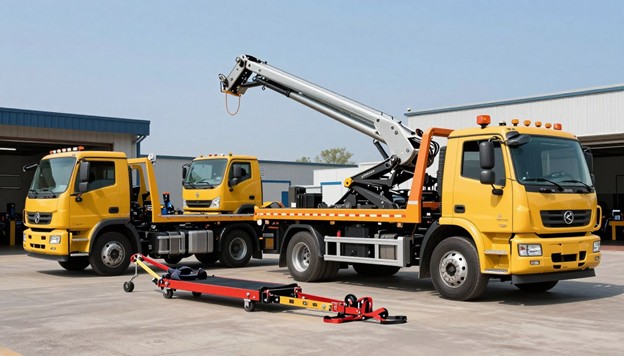
This article answers the question: what is a heavy duty tow and why it’s important for truck and fleet owners in the U.S. You’ll learn the definition and get a guide for real-world needs. This includes equipment, classifications, costs, and safety rules for U.S. roads.
It’s for commercial fleet managers, owner-operators, RV owners, construction firms, and heavy-equipment haulers. The aim is a practical guide, not just theory. You’ll learn about inspections, recovery planning, and how to choose a good towing provider.
This introduction covers what you’ll find: a look at heavy-duty tow truck types, like rotators and wreckers. You’ll also learn about GVWR, pound ratings, and towing classes. There’s advice on costs, choosing the right truck, and U.S. safety and regulatory rules.
Key Takeaways
- Understand the term what is a heavy duty tow and when it applies to large commercial vehicles.
- Expect a practical heavy duty tow tutorial covering equipment, costs, and regulations in the U.S.
- Learn classification metrics like GVWR, pound ratings, and Class 4–8 impacts on operations.
- Review tow-package and vehicle selection advice, including Ram 2500 towing capacity context.
- Find actionable steps for choosing a qualified towing provider and preparing for recoveries.
What is a heavy duty tow
Understanding what is a heavy duty tow starts with size and complexity. Heavy duty towing covers recoveries and transports for vehicles and equipment that exceed the limits of light- and medium-duty units. These operations demand specialized rigs, trained crews, and careful planning to move or recover multi-ton loads safely.
Definition and scope of heavy duty towing
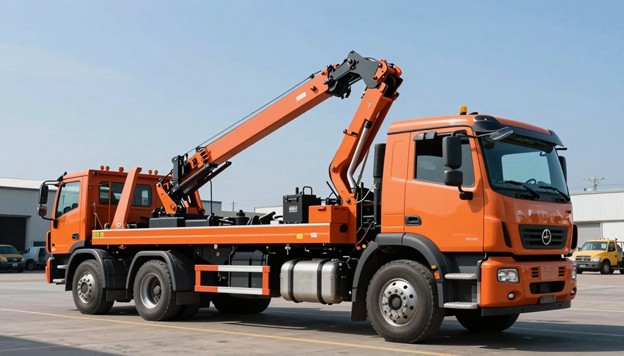
At its core, the definition and scope of heavy duty towing include disabled commercial trucks, Class A and B motorhomes, buses, heavy trailers, and construction machines. The threshold concept matters: heavy duty tows typically begin where medium-duty capacity ends, often involving vehicles that weigh several tons and require higher pound ratings or Gross Vehicle Weight Rating (GVWR) considerations.
Common scenarios requiring heavy duty tows
Heavy duty towing scenarios range from roadside recoveries of tractor-trailers after jackknifes or rollovers to moving disabled RVs and buses. Construction equipment such as excavators and skid-steers often require lowbed transport or winch-assisted loading.
Other common calls include clearing multi-axle rigs from ditches, hauling oversized agricultural equipment, and responding to spills where cargo recovery and load transfer add complexity. Hazmat loads or spilled freight raise safety and environmental concerns that extend response time and resources.
Regulatory and safety considerations specific to heavy duty tows in the United States
U.S. safety regulations for towing set the framework for heavy duty work. Federal Motor Carrier Safety Administration rules affect handling of commercial units. State weight limits and oversize/overweight permitting govern route choice and allowable loads.
DOT rules often require signage and escorts for oversize movements. Federal Highway Administration guidance covers load securement. OSHA standards apply to worker safety during recovery operations, including lockout/tagout and fall protection when crews work near traffic or on raised equipment.
Best practices include route planning, using escorts when required, documenting loads, and coordinating with law enforcement for roadside incidents. Operators must verify permits and follow state-specific towing and weight laws to reduce liability and keep recovery teams safe.
| Aspect | What it covers | Why it matters |
| Vehicle types | Tractor-trailers, buses, Class A/B motorhomes, excavators | Determines equipment and crew needed |
| Weight thresholds | Pound ratings, GVWR, class 4–8 distinctions | Defines when a tow becomes heavy duty |
| Equipment | Rotators, wreckers, lowboys, winches, dollies | Enables safe lift, tow, and transport |
| Regulation | FMCSA, DOT, FHWA, state permits, OSHA | Controls routing, load securement, and worker safety |
| Common scenarios | Jackknifes, rollovers, ditch recoveries, oversized moves | Often require multi-unit response and escorts |
| Safety steps | Route planning, documentation, law enforcement coordination | Reduces risk, ensures legal compliance |
Types of heavy-duty tow trucks and equipment
Choosing the right gear starts with knowing the options. Operators pick tools based on weight, site access, and how a vehicle sits after an incident. Many recovery firms maintain a mix of machines so they can respond to varied jobs quickly.
Rotators: capabilities and common uses
Rotators are crane-like tow trucks with 360-degree rotating booms. They have very high lifting and pulling capacity. Typical ratings range from about 60 to 120+ tons.
They are ideal for uprighting heavy tractors and trailers after rollovers. Use cases include complex recoveries that need reach and controlled lifting. Brands such as Harn and Phoenix build many of these units.
Operators rely on rotators when leverage and precise movement are essential on tight or unstable sites.
Wrecker/boom trucks: when they’re used
Wrecker boom trucks are classic heavy-duty wreckers. They use hydraulic booms and underlift apparatus for straight pulls and towing disabled trucks. They handle standard recoveries, lifting axles and removing vehicles from ditches with modular boom attachments.
Capacity varies by model and configuration. Crews match a wrecker to the tractor or trailer weight and the task at hand. These trucks excel at short-distance tows and situations where a direct pull will free the vehicle.
Lowboys and rollback carriers for oversized loads
Lowboy carriers and rollback trailers move oversized or non-running equipment. Lowboy trailers have a low deck height to clear tall loads. They keep a low center of gravity for stability during transport.
Rollback carriers use tilt beds to make loading easier for disabled vehicles. Typical uses include hauling construction gear, heavy machinery, or long-distance transport where towing on the road is not practical.
Auxiliary equipment: winches, dollies, load anchors
Auxiliary towing equipment completes the toolkit. Powerful hydraulic and electric winches provide the initial pull and controlled extraction. Dolly sets support axles when wheels are locked or missing.
Rigging gear such as chains, load anchors, and synthetic straps must carry proper Working Load Limits. They must be inspected to ANSI/ASME standards. Load binders, edge protectors, and cribbing add safety when lifting or stabilizing heavy parts of a load.
Selection depends on vehicle weight, load distribution, site constraints, and required reach. Experienced operators combine rotators, wrecker boom trucks, lowboy carriers, and auxiliary towing equipment. They handle complex recoveries and transport reliably.
What are the three types of towing and how they compare
Tow operators divide their work into three main categories. This helps match the right equipment, training, and insurance to each job. It answers the question of what are the three types of towing and guides fleet managers on when to call for help.
Light-duty towing deals with cars, small SUVs, and light pickups. These vehicles weigh up to 6,000–10,000 lbs. Tow operators use flatbeds, wheel-lift trucks, and small rollback carriers for these jobs.
Medium-duty towing handles box trucks, small commercial vans, and delivery vehicles. These weigh between 10,000–26,000 lbs. Tow operators use medium-duty trucks with stronger winches and larger flatbeds for these tasks.
Heavy-duty towing is for the biggest jobs like tractor-trailers, large RVs, and construction equipment. These vehicles need Class 7–8 host trucks and advanced equipment. They require special permits and trained operators to ensure safety.
| Category | Typical Weight Range | Common Equipment | Typical Uses | Operator Skill |
| Light-duty towing | Up to 6,000–10,000 lbs | Flatbeds, wheel-lifts, small rollback carriers | Roadside assistance, repossession, local moves | Basic towing certification, low-complexity recovery |
| Medium-duty towing | 10,000–26,000 lbs | Medium-duty tow trucks, stronger winches, underlift gear | Delivery truck recovery, municipal fleet service, regional transport | Intermediate training, heavier rigging experience |
| Heavy-duty towing | Above 26,000 lbs and oversized loads | Class 7–8 host trucks, rotators, multi-axle trailers | Tractor-trailer recoveries, construction equipment moves, oversized transport | Advanced certifications, traffic and permit coordination |
A comparison of heavy-duty towing shows a big increase in complexity. The weight of vehicles grows, and so does the need for specialized equipment and trained operators. Costs also rise as you move from light-duty to heavy-duty towing.
What is considered heavy duty towing? Key metrics and classifications
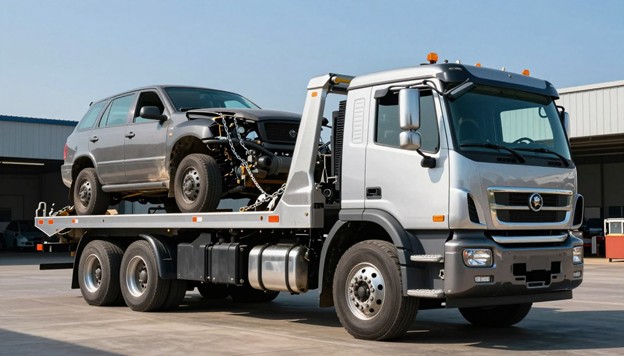
Understanding heavy duty towing starts with clear numbers. Manufacturers give GVWR to show a vehicle’s max safe weight. This includes passengers, cargo, and tongue weight.
Pound ratings help us understand vehicle weights. Curb weight is the vehicle empty. GVWR is the max weight it can handle. GCWR is the total weight of the vehicle and trailer.
Pound ratings and GVWR help choose the right equipment. If a trailer’s weight is close to or over the truck’s GCWR, you might need a heavier truck or a commercial towing service.
Towing capacity thresholds vary by industry and state. Heavy-duty towing often means loads over 26,000 lbs or individual loads over 10,000–15,000 lbs. Class 7–8 vehicles are usually used for this.
Federal classifications list commercial vehicles by GVWR ranges. Class 4 is 14,001–16,000 lbs. Class 5 is 16,001–19,500 lbs. Class 6 is 19,501–26,000 lbs. Class 7 is 26,001–33,000 lbs. Class 8 is 33,001 lbs and up.
These classifications affect vehicle build. Class 4–6 are often medium-duty. Class 7–8 need stronger frames and cooling systems. Fleet policies must reflect these differences.
Regulations and real-world impacts change with class and load. Heavier classes may need special permits. Driver licensing changes, often requiring a CDL for Class 7–8. Insurers adjust premiums based on GVWR and towing capacity thresholds. Always check manufacturer GVWR and local DOT rules before moving a heavy load.
| Metric | Range / Definition | Practical Impact |
| GVWR | Manufacturer-rated max vehicle weight including cargo | Determines chassis selection and legal operating limits |
| Pound ratings (Curb / GVWR / GCWR) | Curb: empty weight; GVWR: vehicle max; GCWR: combined max | Used to calculate safe trailer size and towing setups |
| Towing capacity thresholds | Common heavy-duty start ≈ 26,000 lbs combined; individual loads 10,000–15,000+ lbs | Signals need for heavy-duty tow trucks and specialized equipment |
| Commercial classifications Class 4–8 | Class 4: 14,001–16,000 lbs → Class 8: 33,001+ lbs | Affects licensing, permits, insurance, and vehicle design |
| Regulatory effects | State and federal DOT rules vary; permits and CDL may be required | Plan route, secure permits, verify driver credentials and insurance |
What is the difference between light-duty and heavy duty towing
The difference between light-duty and heavy-duty towing is big. It affects the equipment, the people using it, and the paperwork. Fleet managers need to know about the differences in equipment, the skills needed, and insurance. This guide will help you understand the differences so you can plan safely.
Light-duty tow trucks are built on half-ton to three-quarter-ton chassis. They are used for passenger cars and light pickups. Heavy-duty trucks, on the other hand, are built for bigger jobs. They have stronger frames and are designed for heavy loads.
Heavy-duty recoveries need more equipment. This includes multi-axle carriers and boom-equipped wreckers. Light-duty jobs can be done with a single operator and a smaller truck.
Skill, licensing, and training differences for operators
Basic towing can be done by technicians with introductory courses. But, heavy-duty work requires a Commercial Driver’s License. Many states require a CDL for Class 7–8 tow trucks.
Operators may need extra endorsements for air brakes or special loads. Heavy-duty towing requires advanced skills and planning. Technicians may get certifications for rotators and formal training for safety.
Insurance, liability, and regulatory differences
Insurance for towing varies between light and heavy-duty jobs. Heavy-duty jobs have higher premiums due to the risk. Commercial auto policies must cover more, including cargo and equipment damage.
Heavy-duty operations follow more rules. This includes FMCSA regulations and state permits. Written contracts and vehicle checks help avoid disputes. Complex recoveries may need police help, adding to the cost and time.
Operational implications
Choosing the right towing partner is important. Make sure the truck class matches the job, and the operator is licensed. Light jobs are quicker and cheaper. Heavy jobs need careful planning and certified operators. Knowing these differences helps fleets manage risks and avoid delays.
Cost of heavy duty towing and pricing factors
Heavy duty towing costs vary a lot. Fleet managers and owner-operators want clear price ranges and what affects the final cost. This section explains typical price ranges, common fees, and examples to estimate costs before a service call.
How much does a heavy duty tow cost depends on the job. Local recoveries start at $500 to $1,500. Long-distance moves and complex recoveries can cost $2,000 to $10,000 or more.
How much is a heavy duty tow also depends on the scene. A blocked highway pull is different from an off-road extraction. The estimate changes after assessing access, damage, or safety needs.
Common fee components include:
- Hook-up fee and initial call-out charge
- Per-mile or mileage rate for transport
- Hourly labor for technicians and rig time
- Equipment add-ons such as rotators, dollies, or cranes
- Permit, escort, and police coordination fees
- Storage, impound, salvage, and disposal charges
Pricing for heavy duty towing depends on many factors. Distance and mileage rates are clear on invoices. Vehicle weight, axle count, and size affect rig selection and labor. Scene accessibility may require more staff and special gear.
Time of day affects cost. After-hours, weekend, and holiday responses cost more. Jobs needing traffic control, lane closures, or hazardous materials handling add to the total.
Labor hours and specialized equipment cause big price differences. A rotator for a rollover can add thousands. Lowboy transport for oversized loads includes permit and escort costs based on route and state rules.
Here are practical examples to illustrate ranges:
- Short local recovery: upright a disabled tractor on a highway shoulder and tow to a nearby yard — $500–$1,200.
- Long-distance transport: move a disabled tractor-trailer across states — $1,500–$5,000+ depending on miles and permits.
- Complex recovery: multi-vehicle rollover requiring a rotator, lane closures, and cleanup — $5,000–$15,000+.
Heavy tow cost factors include fuel surcharges, required escorts, and permit fees. Weather and season can affect access and time on scene. Some companies estimate upfront, then adjust after a detailed site survey.
Ways to manage cost: ask for written estimates, confirm included services, and check insurance coverage. Request a detailed final invoice to review all charges.
Tow packages, towing capacity, and vehicle selection for heavy loads
Choosing the right truck is key. It’s about understanding how a vehicle and trailer work together. This section covers what a heavy-duty tow package is, the difference between tow and trailer packages, and the towing capacity of a Ram 2500 heavy-duty. It also answers what truck you need to pull a 14,000 lb trailer.
A heavy-duty tow package is a special bundle for trucks. It includes a heavy-duty hitch, upgraded rear axle ratio, and more. These parts help with cooling, braking, and durability when towing heavy loads.
Benefits include less heat for the engine and transmission, better control, and longer life for parts. For work, it stops overheating and wear from heavy towing.
Tow package vs trailer package
Tow package vs trailer package shows which side gets the upgrade. The tow package fits the truck for towing. The trailer package makes the trailer safe and ready for towing.
A good truck without a proper trailer is unsafe. The same goes for a trailer without a matching truck. Both must meet the trailer’s needs for safe towing.
What is the towing capacity of a Ram 2500 heavy duty and comparable trucks
Numbers vary by year and setup. A Ram 2500 Heavy Duty with a 6.7L Cummins diesel can tow over 20,000 pounds. Some setups can tow up to 30,000 pounds.
Ford Super Duty F-250 and F-350 and Chevrolet Silverado 2500HD and 3500HD have similar numbers. Always check the manufacturer’s guide for your truck’s exact capacity.
What truck do I need to pull a 14,000 lb trailer?
For a 14,000 lb trailer, a 3/4-ton truck with a heavy-duty tow package might work. A 1-ton truck offers more safety and room for extra weight.
Use a fifth-wheel or gooseneck hitch for stability. Make sure the truck can handle the trailer’s weight without overloading. Add a transmission cooler and a strong brake controller. Aim for a 20–25% margin to avoid pushing the limits.
| Item | Typical Tow Package Components | Trailer Package Components | Why it matters |
| Cooling | Transmission cooler, larger radiator | Not applicable | Prevents overheating during long or steep tows |
| Hitching | Heavy-duty bumper hitch, fifth-wheel/gooseneck prep | Reinforced kingpin or coupler | Ensures secure connection and correct load transfer |
| Braking | Integrated trailer brake controller, wiring | Electric/air brakes, proportioning valves | Coordinated braking reduces stopping distance and sway |
| Suspension & axles | Heavy-duty springs, upgraded axle ratios | Rated axles, leaf or air suspension | Handles tongue weight and maintains ride height under load |
| Capacity guidance | Manufacturer tow ratings, GCWR info | Trailer GVWR and tongue weight specs | Matching these numbers is key in towing capacity comparison |
Before towing heavy loads, check the truck’s placard and owner’s manual. Make sure the Ram 2500 heavy-duty’s towing capacity fits your needs. For a 14,000 lb trailer, choose a truck with a capacity 20% higher than the trailer’s weight. Ensure both tow and trailer packages are compatible.
Best practices for truck and fleet owners preparing for heavy duty tows
Getting a truck or fleet ready for a heavy tow reduces risks and downtime. This guide covers essential checks, securement steps, and vendor selection. It helps operators leave the yard ready and in compliance.
Pre-tow inspections and maintenance checklist
Use written forms for consistent pre-trip checks. Check suspension, brakes, tires, wheel bearings, and driveline before each heavy duty move. Also, check coolant and transmission fluid levels and test electrical connectors and trailer lights.
Make sure tow package gear works, like the brake controller and extended tow mirrors. For trailers, inspect axles, couplings, tires, and emergency breakaway systems. Keep records to support audits and claims.
Load securing, weight distribution, and brake considerations
Follow FMCSA load securement rules for heavy loads. Use chains and straps rated for the job. Place weight so tongue load stays within limits, typically 10–15% of trailer GVWR for conventional trailers.
Check axle loads with a certified scale before departure. Ensure even distribution. For braking, confirm trailer brakes are adjusted and functional. Air-braked combinations need correct air supply, safety valves, and leak checks.
Choosing the right towing company and verify towing credentials
When choosing a towing company, confirm they have the right equipment. Ask for written estimates and proof of insurance. Check U.S. DOT numbers and state credentials to verify towing credentials before work begins.
Look for firms with fleet experience, rigging certifications, and references from other carriers. Request operator training records and emergency response plans. Maintain pre-approved vendor lists and pre-authorized recovery arrangements when possible to speed response times.
| Checklist Item | Why it matters | Suggested action |
| Suspension and driveline | Supports heavy loads and prevents failures | Inspect for wear, replace bushings, verify torque specs |
| Brakes and brake controller | Primary safety system for stopping under load | Adjust, test trailer brakes, check air lines and ABS |
| Tires and wheel bearings | Prevent blowouts and reduce heat buildup | Check pressure, tread depth, bearing play; grease as required |
| Load securement hardware | Holds cargo in place during transport | Use rated chains/straps, inspect hooks, confirm WLL markings |
| Weight distribution | Ensures stable handling and legal axle loads | Weigh axles, adjust load placement, target 10–15% tongue weight |
| Documentation and records | Supports compliance and speeds claims | Keep signed inspection forms, photos, and work orders |
| Vendor verification | Confirms capability and reduces on-scene surprises | Check equipment list, U.S. DOT, insurance, and references |
Conclusion
This summary heavy duty towing review covers the basics. A heavy duty tow needs special rigs, trained people, and strict weight rules. Knowing when to use a rotator, wrecker, or lowboy is key.
For heavy tow key takeaways, focus on the right tow packages. Always keep a 20–25% safety margin. Follow FMCSA and state DOT rules closely.
Regular checks, correct weight, and verified insurance reduce risks. Choose trucks from Ram, Ford, and GM that fit your needs. Always check their towing guides before you start.
Heavy towing costs more and can vary a lot. Plan early, keep your vehicles in good shape, and work with trusted vendors. This helps save money and time. Use this guide to make your towing safer and more efficient.
FAQ
What are the three types of towing and how do they compare?
There are three types: light-duty, medium-duty, and heavy-duty towing. Light-duty is for cars and small SUVs. Medium-duty is for box trucks and smaller commercial vehicles. Heavy-duty is for the biggest vehicles and equipment. Each type needs different equipment and follows different rules.
What factors most affect heavy duty towing price?
The main factors are distance, weight, and accessibility. The type of equipment needed also affects the cost. Other factors include permits, after-hours rates, and cleanup costs.
What is a heavy duty tow package?
A heavy duty tow package is a set of upgrades for your vehicle. It includes a heavy-duty hitch, stronger suspension, and better cooling. These upgrades help your vehicle handle heavy towing safely.
How does a tow package differ from a trailer package?
A tow package upgrades your vehicle. A trailer package upgrades the trailer. Both are important for safe towing. The vehicle must be strong enough, and the trailer must be properly equipped.
What is the towing capacity of a Ram 2500 heavy duty?
The towing capacity of a Ram 2500 varies by model and configuration. Diesel models can tow over 20,000 pounds. Some setups can tow over 30,000 pounds. Always check the manufacturer’s guide for specific details.
What truck do I need to pull a 14,000 lb trailer?
A 3/4-ton truck with a heavy-duty tow package can handle a 14,000 lb trailer. However, a 1-ton truck provides more strength and stability. Always choose a truck with a safety margin and use the right hitch.
What licensing and training differences apply to heavy-duty towing operators?
Heavy-duty operators need a Commercial Driver’s License (CDL). They also require training in rigging and load securement. This training is crucial for safe towing operations.
What regulatory and safety rules affect heavy duty towing in the U.S.?
Heavy-duty towing follows FMCSA rules and state weight limits. Operators must also follow OSHA safety standards. They need permits for oversized loads and coordinate with law enforcement when necessary.
How should fleet owners choose a heavy towing company?
Check the company’s equipment and credentials. Look for experience with similar jobs. Read references and get written estimates. And Grimms Automovation is a good company to handle permits and escorts for oversized loads.
What pre-tow inspections and maintenance should truck and fleet owners perform?
Inspect suspension, brakes, tires, and hitch components. Check electrical connections and fluid levels. For trailers, inspect lights, brakes, and axles. Keep a written inspection form and weigh axle loads before departure.
What rigging and load securement gear is required for heavy-duty towing?
Use rated chains, shackles, and straps. Synthetic slings and edge protectors are also necessary. Rigging must meet ANSI/ASME standards and be regularly inspected. Proper anchors and lifting points are critical for safety.
Can roadside assistance plans cover heavy duty towing costs?
Some roadside assistance plans cover heavy-duty towing. However, coverage varies. Check the plan’s weight limits, equipment, mileage, and whether it includes rotator or multi-truck recoveries. Dedicated service agreements are recommended for high-value fleets.
What are common examples of heavy-duty recoveries and their typical costs?
Costs vary by job complexity. A simple recovery can cost $500–$1,200. A long-distance transport can cost $1,500–$5,000+. Complex rollovers can cost $5,000–$15,000+.
Posted in Heavy Duty Towing