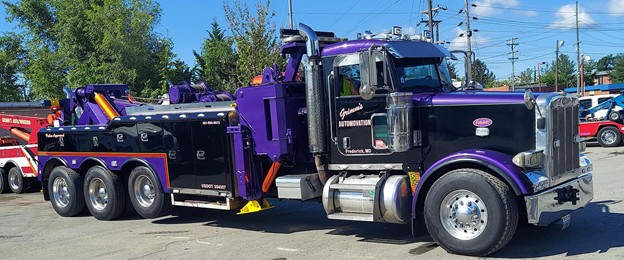
When your car won’t start on I-95 or you slide off a shoulder in winter, the next call is critical. Towing services in Maryland may feel risky when you’re stuck, stressed, and unsure what’s fair. This guide gives clear, practical steps so you can choose a towing service that shows up fast, handles your vehicle correctly, and charges what was quoted.
Here, “reliable” means quick dispatch, the right tow truck for the job, and clear paperwork you can use later. It also means hiring a licensed, insured Maryland towing company that explains whether a flatbed or wheel-lift is best. If you need 24/7 towing Maryland options, asking the right questions up front helps avoid long waits and surprise add-ons.
Driving in Maryland brings unique challenges. The Baltimore–Washington commute produces heavy traffic and narrow shoulders, while rural corridors can mean longer arrival times. Combine that with winter snow, ice, or summer storms, and an emergency tow Maryland call can become urgent fast. This guide covers what to request, how towing services in Maryland typically price a job, and what to do during the tow to stay safe.
Key Takeaways
- Reliable towing equals speed, safety, the correct equipment, and clear documentation.
- Ask for a flatbed for AWD/low-clearance or a wheel-lift for short moves in tight lots.
- Confirm licensing and insurance before you approve a tow.
- Request a written estimate that separates hook-up fees, mileage, and storage.
- Expect Maryland-specific delays on major corridors and in rural areas; ask for a realistic ETA.
- Keep a short checklist to vet a towing company in an emergency: location, drivetrain, keys, and written estimate.
Why Reliable Towing Matters for Maryland Drivers
On Maryland roads, a breakdown is more than an inconvenience — it can be a safety hazard, especially on narrow shoulders and high-speed routes. That’s why towing services should be treated as a safety service: they must communicate clearly and arrive with the right equipment.
Common roadside scenarios that require towing
Most calls begin with a vehicle that isn’t safe to drive. Engines overheat, transmissions fail, warning lights precede sudden power loss, and a dead battery can still require a tow if the car won’t shift out of park.
Crashes, blowouts, bent wheels, soft shoulders, ditches, and snow all create risk. In those moments towing isn’t only about speed — it’s about moving the vehicle without causing more damage to the body, drivetrain, or wheels.
How quick response times reduce safety risks
Minutes matter when you’re beside moving traffic. A fast tow truck in Maryland lowers risk for everyone, and it reduces the chance of secondary collisions caused by sudden braking or lane changes. Dependable services give realistic ETAs, send dispatch updates by text or call, and tell you exactly where to wait for the truck.
Peace of mind vs. “cheapest available” towing
Choosing the lowest price can bring hidden costs. Poorly executed hookups can scrape bumpers, damage suspension or AWD systems, and create expensive repairs. Vague fees, missed arrival windows, and weak insurance add stress when you’re already stranded.
Reliable towing is consistent: documented pricing, straightforward paperwork, and the correct tow method for your vehicle type. That consistency turns a risky situation into a clear plan.
| What to CompareReliable provider signals“Cheapest available” red flags | ||
| ETA and updates | Realistic arrival window, live dispatch updates, clear meeting point | Vague timing, no follow-up, repeated unexplained delays |
| Pricing clarity | Itemized quote (hook-up, mileage, after-hours), receipt at drop-off | Unexplained add-ons, price change on arrival, no documentation |
| Tow method fit | Correct method for AWD/low-clearance vehicles, proper straps and wheel protection | One-size-fits-all approach, rushed hookup, contact with body panels |
| Insurance and accountability | Proof of coverage and a clear damage-claim process | Dodged questions, no claim path, unclear responsibility |
Towing Services in Maryland: What’s Available and When to Use Each Option
Not every breakdown needs the same truck. The best towing services in Maryland begin with a quick matching of your vehicle, location, and the type of problem so dispatch sends the right equipment the first time.
When you call, tell dispatch your drivetrain (AWD/4WD), ground clearance, and whether the vehicle is blocked in a garage or tight lot. Note flat tires, locked wheels, or visible accident damage — each detail changes safe loading and the gear required.
Light-duty towing for cars and small SUVs
Light-duty towing covers most sedans, crossovers, and small SUVs. It’s the usual choice for a no-start, overheating, a dead battery that won’t hold a charge, or minor collisions when the vehicle can still be rolled.
Dispatch may send a wheel-lift or a flatbed depending on access and vehicle condition. If a wheel won’t roll, the bumper is damaged, or the car sits low, request a flatbed to reduce the risk of scraping or drivetrain stress.
Medium-duty and heavy-duty towing for trucks and commercial vehicles
Work vans, box trucks, and loaded pickups often need more capacity than a standard wrecker. Heavy duty towing in Maryland is equipped for higher curb weights, cargo loads, and long wheelbases that affect how a vehicle tracks behind the truck.
Tell dispatch the vehicle’s approximate weight and whether it’s loaded, and mention any steering, suspension, or axle damage. Under-rated equipment increases control risks and the chance of extra damage during the tow.
Flatbed towing vs. wheel-lift towing
Flatbed towing is typically best for AWD/4WD vehicles, long-distance moves, collision-damaged cars, and low-clearance vehicles where scraping is likely. With all four wheels off the road, flatbeds also protect drivetrains and tires during transit.
Wheel-lift towing is efficient for short tows and quick moves from tight spaces like crowded lots or narrow shoulders. Always confirm drivetrain and wheel condition — some AWD or locked-wheel setups need dollies or a flatbed to avoid drivetrain bind or bumper contact.
Motorcycle and specialty vehicle transport
Motorcycles, classics, and modified vehicles require careful tie-down points and steady tension. Look for carriers that use wheel chocks and soft straps to avoid stress on fairings, brake lines, and suspension.
If the bike is tipped, leaking, or has a locked wheel, say so up front so the operator can plan safe loading and protect paint and chrome during transit.
| SituationWhat to requestWhy it fitsKey details to tell dispatch | |||
| AWD/4WD crossover won’t start in a driveway | flatbed towing | Keeps all wheels off the road and avoids drivetrain stress | AWD/4WD, clearance, steering locked or unlocked, distance to shop |
| Car stalled in a tight parking spot with room to pull out | wheel-lift towing | Efficient in tight spaces and for short moves | Front- vs. rear-wheel drive, wheel turns freely, low front bumper |
| Box truck or loaded work van disabled on a main road | heavy-duty towing | Rated equipment for higher weight and longer wheelbase stability | Approximate weight, cargo load, height limits, brake or axle damage |
| Low-clearance sedan after a minor collision | flatbed towing | Reduces scraping and supports damaged suspension or body panels | Airbags deployed, leaking fluids, wheel pushed in, safe loading side |
| Motorcycle needs transport to a repair shop | Motorcycle-capable carrier (often a flatbed) | Proper chock and strap setup prevents tip-overs and scuffs | Bike weight, aftermarket parts, locked wheel, preferred tie-down points |
Quick decision line for callers: If AWD or low clearance → request a flatbed; if it’s a short move in a tight spot and the wheels roll → wheel-lift may be fine. Tell dispatch three things every time: drivetrain and clearance, whether the vehicle is loaded, and whether keys are available.
How to Verify Licensing, Insurance, and Compliance in Maryland
When you’re stuck on the side of the road, it’s tempting to accept the first tow truck you see. Before you agree to any service, take a moment to verify who is taking your car — a few quick checks can protect your vehicle and your wallet.
Start by asking for the company’s full name, the dispatch phone number, and a service address that matches the paperwork. The business name on the truck should match the name on any written authorization or receipt.
Insurance matters. Ask the driver to show proof that the tow truck is insured and that the policy is tied to the towing company, not a generic operator. Insurance coverage helps pay for repairs and supports liability if you need to file a claim.
Get key details in writing before the tow begins. Request a written authorization that lists the pickup location, destination, estimated price range, and any storage terms (storage address, daily rate, and retrieval steps) if applicable.
- Match IDs: Confirm the business name, phone number, and service address match across the truck markings, invoice, and authorization.
- Proof of insurance — take a photo: Ask to see coverage tied to the company and photograph the document for your records.
- Get a written estimate: Request a range for hook-up, mileage, and any after-hours fees; keep the receipt showing all charges and payment method.
- Storage terms: If your vehicle may be stored, get the lot address, daily rate, and release requirements in writing.
Watch how the provider communicates. Pressure tactics, refusal to provide paperwork, or “cash only” demands without a receipt are red flags. If something feels wrong, pause and call the non-emergency police line or your roadside assistance plan before authorizing the tow.
| What to verifyWhat you should receiveRed flag to watch for | ||
| Company identification | Business name that matches truck markings and written authorization | Generic truck with no matching paperwork or shifting company names |
| Insurance status | Current proof showing coverage linked to the towing company and vehicle operations | No proof offered, or coverage that can’t be tied to the company handling your car |
| Pricing transparency | Estimate range for hook-up, mileage, and any after-hours charges | Refusal to give a range, or sudden add-ons after the vehicle is loaded |
| Storage and release terms | Storage lot address, daily rate, and steps to release the vehicle | Unclear lot location or “we’ll tell you later” answers |
| Receipts and documentation | Itemized receipt with date, time, pickup, drop-off, and payment record | Cash only with no receipt, or missing key invoice details |
Key Qualities of a Trusted Towing Provider
When you’re stuck on the side of the road, you need a towing service you can trust. Look for clear communication, fair pricing, careful handling, and a realistic ETA based on traffic — those traits separate professional service from shortcuts.
These simple checks help you find a reliable towing provider in Maryland. It’s not just about getting a call back; it’s about consistency and safety.
Professional dispatch and clear communication
A strong dispatch team asks precise questions: exact location, vehicle type, drivetrain, and any hazards on scene. They explain the planned tow method, give an ETA range, and send updates by text or call if times change. That steady communication reduces roadside risk and uncertainty for customers.
Driver training, certifications, and experience
Trustworthy towing teams employ trained drivers who follow safe loading and securement practices and who know how to work with police at accident scenes. Experienced drivers pick the correct equipment and secure vehicles to protect suspension, drivetrains, and bodywork — which improves customer satisfaction and reduces damage claims.
Modern equipment and proper vehicle handling
Look for a well-maintained fleet: clean rigs, working lights, winches and straps in good condition, and dollies or chocks when needed. Proper equipment readiness — the right tow truck for the job — signals professionalism and commitment to safety.
Service area coverage and realistic ETAs
A trusted provider is transparent about coverage limits (for example, Montgomery & Carroll Counties, I-70 Corridor, I-270, US-15, and major corridors) and won’t overpromise. If weather or distance delays response times, they offer options and a realistic timeframe rather than a guaranteed but improbable arrival time.
| What you can check on the phoneWhat strong providers doWhat to treat as a red flag | ||
| Location and safety intake | Confirms cross streets, mile marker, direction of travel, and shoulder hazards | Skips details and asks only, “Where are you?” |
| Vehicle and drivability questions | Asks about AWD/4WD, wheel damage, keys available, and whether it rolls and steers | Doesn’t ask what you drive or how it’s disabled |
| ETA and updates | Gives an ETA range and sends call/text updates when traffic changes | Promises an exact time with no follow-up |
| Tow method explanation | Explains flatbed vs. wheel-lift and when dollies are needed | Refuses to explain the plan for your vehicle |
| Fee clarity | States hook-up, mileage, winch-out risk, and storage terms before dispatch | Won’t discuss charges until after the truck arrives |
| Equipment readiness | Confirms the right truck is available for your vehicle type and situation | Sends “whatever is closest,” even if the setup doesn’t fit |
Quick checklist to save: Ask for the company name and phone number, confirm the truck type and ETA, photograph the truck ID and the receipt after service, and save the provider if they match these standards. If you see “cash only,” pressure to sign without paperwork, or visibly poor equipment, pause and verify before proceeding — those are red flags.
Service Area Coverage: Cities, Highways, and Rural Roads
Where you break down in Maryland changes the whole tow: response time, price, and the type of truck that can safely reach you. The best towing services in Maryland plan for traffic, local rules, and the right equipment before they roll out so you get timely, safe help.
When you call, ask for specifics, not guesses. A clear dispatch answer prevents long waits and surprise add-ons and confirms whether recovery gear is available if you’re off pavement. A single useful question to ask: “Which truck are you sending and what is its ETA?”
Metro coverage around Baltimore and the DC suburbs
In dense areas a short distance can take longer than expected. Baltimore-area towing often handles heavy call volume, narrow streets, and tight parking lots; garages and low clearances may require a flatbed or careful wheel-lift angles.
In the DC suburbs, traffic patterns matter as much as mileage. Quick clearance is a safety issue on busy arterials, so urban experience and steady communication keep things moving. If you break down in Rockville or Gaithersburg during rush hour, expect longer drive times than the map distance suggests.
Highway response on I-95, I-83, I-70, and the Beltway
Breakdowns on I-95, I-83, I-70, or the Capital Beltway are high-risk because speeds remain high and shoulders can be short. Highway towing should prioritize rapid dispatch, high-visibility setup, and safe loading with room to work. In many cases the safest option is a controlled move to a better pull-off before loading.
Always ask whether the operator is experienced on that corridor and whether they coordinate positioning with traffic conditions — that detail often cuts roadside exposure time.
Rural towing considerations on the Eastern Shore and Western Maryland
On the Eastern Shore and in Western Maryland, distance is the main factor. Fewer trucks may be nearby and cell service can be spotty on stretches of farmland or mountain roads, which affects ETA updates and pickup confirmation.
Soft shoulders, ditches, snow, and mud raise the odds of needing winch-out or recovery. Many towing companies can handle it, but not every truck is equipped the same way — especially after storms — so confirm winch capability and recovery gear before you authorize the job.
Before you confirm, get one direct answer: where is the truck coming from? Whether you’re calling for Baltimore towing, towing near DC suburbs, or highway towing, that question helps set expectations on arrival time, equipment, and total cost.
| Location typeWhat changes for the towCommon risksWhat to confirm with dispatch | |||
| Baltimore and other city centers | Higher call volume, slower movement due to congestion, tighter access points | Low-clearance garages, narrow lanes, limited loading space | Urban-capable truck type, access plan for garages, realistic ETA based on traffic |
| DC suburbs in Maryland | Stop-and-go traffic, complex interchanges, restricted pickup zones in busy areas | Delay from rush hour, hard-to-reach shoulders near ramps | Exact service corridor coverage, pickup instructions, arrival updates by text or call |
| I-95, I-83, I-70, Capital Beltway | Fast response needs, strict safety setup, quick loading to reduce exposure | High-speed traffic, short shoulders, secondary crashes | High-visibility safety practices, safest loading location, experience on that route |
| Eastern Shore and Western Maryland rural roads | Longer distances, fewer nearby trucks, more variable road and weather conditions | Ditches, soft shoulders, snow or mud, weaker cell service | Winch-out capability, nearest truck location, clear pricing for mileage and recovery time |
Understanding Pricing and Avoiding Surprise Fees
Getting a tow can be stressful. Towing Services in Maryland generally use standard cost components, and knowing them helps you spot hidden fees early. A clear, itemized quote makes comparing prices and avoiding surprises much easier.
Typical cost components
Most tows include a hook-up (base) fee and a per-mile charge. If your vehicle is placed in storage, there will be a daily storage rate. When you ask about towing cost in Maryland, make sure you understand which of these apply to your situation.
| Charge typeWhat it coversWhen it usually appliesWhat to confirm before dispatch | |||
| Hook-up / Base fee | Truck roll, connecting the vehicle, basic loading | Most calls, even short moves | Flat rate vs. tiered pricing and whether it changes by vehicle type (example: hook-up $75) |
| Mileage | Distance from pickup to drop-off (may include deadhead) | Any tow beyond the included minimum | Estimated miles, route used, and per-mile rate (example: $2.50/mi) |
| Storage | Daily holding charges and possible admin fees | If your car remains at a lot after a tow | Daily rate, when a “day” starts, and release requirements (example: $25/day) |
| Drop-off wait time | Time spent waiting at a shop, impound gate, or closed facility | When the receiving location can’t accept the vehicle right away | Grace period, hourly rate, and how time is documented |
After-hours, holiday, and winch-out charges
Expect extra fees at night, on holidays, or during severe weather. Winch-out and recovery charges apply when the vehicle is in a ditch, soft shoulder, or otherwise hard-to-reach spot. For towing services in Maryland, ask about any additional costs for special equipment or complicated recoveries before work begins.
What a written estimate should include
A proper written estimate should show the company name, date, and time; pickup and drop-off locations; the planned tow type; estimated mileage; and itemized fees including storage terms. This makes it easy to compare offers and reduces the chance of surprise charges.
- Itemized line items with clear labels (base, miles, winch-out, wait time)
- Any after-hours or holiday rate stated up front
- Storage location, daily rate, and release rules if the vehicle may be held
- Expected total range and what could change the estimate
Payment methods, receipts, and documentation
Before the tow begins, ask what payment methods are accepted and whether there are surcharges for cards. Always get a receipt that itemizes each charge and lists pickup and drop-off addresses. Photograph the truck ID and the receipt — that documentation helps with disputes or insurance claims. If a driver refuses to explain the bill or won’t provide a receipt, pause and verify before proceeding to avoid towing scams in Maryland.
Quick script to ask on the phone: “Before you dispatch, what is the hook-up fee, the per‑mile rate, any after‑hours or winch-out charges, and the storage daily rate if applicable?”
Emergency Towing vs. Scheduled Transport: What to Ask Before You Book
Not every tow is the same. Emergency situations and planned moves require different priorities, equipment, and pricing — the questions you ask will affect response time, the truck dispatched, and the final cost.
Immediate info to have ready: your exact location (mile marker or landmark), whether you’re on the shoulder or in traffic, any hazards, drivetrain (AWD/4WD), and whether keys are available.
Emergency towing focuses on safety and speed. Use it for crashes, stalled cars in traffic lanes, dead batteries that leave you stranded, or vehicles in unsafe positions. The goal is to get you and your vehicle to a safe spot quickly, even if traffic or weather slows actual arrival times.
Scheduled transport is a planned move: shop delivery, driveway-to-driveway moves, or long-distance hauling. For scheduled jobs you can request equipment (often a flatbed), set a pickup window, and get a written estimate in advance.
When you call for emergency towing, lead with location and hazards: “I’m at mile marker X on I‑95, on the right shoulder, no injuries, AWD, vehicle won’t start.” For scheduled transport, give full address details, whether the car runs, and any access limits: “Pick up at 123 Main St, garage height 7’, vehicle lowered, flatbed preferred.”
| What to confirm before bookingEmergency towingScheduled transport | ||
| Location details | Exit number, mile marker, cross street, side of road | Full address, gate codes, loading restrictions |
| Safety and hazards | Traffic lane vs. shoulder, leaking fluids, airbags deployed | Low clearance, narrow driveways, gravel or soft ground |
| Vehicle condition | Disabled vs. drivable, locked wheels, steering issues, flat tire count | Running vs. non-running, key availability, battery status |
| Equipment request | Ask if a flatbed is available for AWD/damage or if a winch is needed | Flatbed preferred for long moves, lowered cars, or shop delivery |
| Destination planning | Nearest safe lot, home, dealership, or repair shop open now | Drop-off time window, contact person, where keys will be left |
| Policies that change cost | Dispatch priority, after-hours rates, storage rules, winch-out charges | Quoted mileage, cancellation/reschedule fees, access problems |
Ask about “dispatch priority” if you need faster service — it can move you up the queue but usually carries a premium. Before the truck arrives, confirm the estimated time, the cost range, and the cancellation policy. If access may be an issue (locked garage, tight gate), ask how that will affect pickup and price so there are no surprises.
Roadside Assistance Add-Ons That Can Save You Time
Many breakdowns look like they need a tow but can be resolved on the spot. The best towing services in Maryland offer roadside assistance options that get you moving faster, cut mileage charges, and get you to a safer place sooner.
When you call for roadside assistance in Maryland, ask what the truck can do before dispatching a full tow. A simple fix can often save time and money — especially in heavy traffic or bad weather.
Jump starts, lockouts, tire changes, and fuel delivery
Common “tow calls” are actually battery, key, tire, or fuel issues. A jump start or lockout service is often quicker than hauling your vehicle to a shop. Tire changes and fuel delivery can also be the fastest, safest option when conditions allow.
Accept a tow instead if the battery won’t hold a charge, the rim is bent, or you don’t have a usable spare. Also choose a tow when you’re in an unsafe location — a narrow shoulder, blind curve, or busy ramp.
| Roadside add-onOften enough when…Towing is still likely when… | ||
| Jump start | Lights were left on and the battery is healthy | Battery keeps dying or vehicle won’t stay running |
| Lockout help | Keys locked inside and the door can be safely opened | Keys lost, fob damaged, or entry risks breaking glass |
| Tire change | You have a good spare and lug nuts can be removed | No spare, damaged rim, or multiple flats |
| Fuel delivery | You ran out of gas and car starts after fueling | Fuel system problems or a location too dangerous to service |
Winch-out and recovery services in bad weather
Snow, mud, and wet grass can pull a vehicle off the road quickly. A winch-out service (recovery) is designed to pull vehicles back to pavement without a full tow when traction is the only problem. Pricing for recovery is usually tied to complexity, time on scene, and the equipment required.
Before work begins, ask what factors could increase the cost — steep embankments, soft ground, limited access, or multiple winch pulls — so you aren’t surprised at the end of the job.
Accident scene support and coordination with insurers
After a crash, accident towing in Maryland focuses on safe loading and protecting damaged parts. Crews watch for debris, leaking fluids, and jammed wheels while keeping lanes clear. A clear tow receipt, the drop location, and basic photos of the vehicle help with insurance claims.
If you need towing after an accident, ask whether the truck can deliver the vehicle directly to your preferred body shop or to a storage lot, and confirm what paperwork they will provide (dates, times, mileage, destination). That documentation speeds insurer processing.
When to accept an add-on vs. request a tow: If the truck can fix the immediate problem safely and the vehicle will be drivable afterward, accept the roadside service. If the vehicle remains unsafe to drive, has structural damage, multiple disabled tires, or a drivetrain concern, request a tow or recovery.
How to Evaluate Reviews and Reputation the Right Way
When you compare towing companies, read reviews like a consumer advocate — don’t just count stars. The useful details are the timeline, how the crew handled the vehicle, and whether billing and paperwork were clear.
Start with towing reviews that describe the full experience: punctual arrival, careful loading, accurate pricing, and calm communication. Repeated mentions of itemized receipts or “flatbed for AWD” are strong signals of professionalism and consistent service.
Be wary of one-line rants that omit date, location, or specifics — and of clusters of identical phrasing that look like marketing. A single delay during a storm isn’t the same as routine poor performance; focus on how the company resolved problems and whether they documented the outcome.
Check multiple sources — Google, Yelp, and the Better Business Bureau — and compare what reviewers say to the company’s written policies and invoices. The best companies back reviews with tangible proof: receipts, insurance details, and clear damage-claim steps.
| What the Review MentionsWhy It MattersWhat to Look forWhat to Treat Carefully | |||
| Arrival time and updates | Reduces roadside risk and uncertainty | Specific ETA, text/call updates, notes about traffic or incidents | Vague claims like “took forever” with no date or area |
| Vehicle handling | Protects bumpers, wheels, and driveline | Mentions flatbed or wheel-lift choice, strap use, careful loading | Generic praise with no hookup or transport details |
| Price accuracy | Limits surprise charges at drop-off | Itemized quote, mileage rate, fees explained before the tow | “Cheap” claims with no totals, receipts, or tow distance |
| Receipts and invoicing | Helps with reimbursements and disputes | Clear invoice, payment method listed, company contact info | Multiple complaints about missing paperwork |
| Problem resolution | Shows accountability under stress | How delays, damage claims, or billing issues were handled | Review wars that focus on insults rather than outcomes |
- Use this short review checklist: does the reviewer give date/area, mention paperwork, and describe how issues were resolved?
- Give more weight to consistent, long-term feedback than to sudden review spikes.
- Look for phrases that indicate reliability: “itemized receipt,” “flatbed for AWD,” “clear ETA,” or “handled insurance paperwork.”
What to Do During a Tow: Safety Tips and Best Practices
Waiting for a tow truck can be stressful. A simple plan keeps you calm, protects your vehicle, and reduces roadside risk. These safety steps and checks make the process smoother for you and the towing team.
How to stay safe while waiting for the tow truck
If your car can be driven, pull over to a shoulder or a parking lot away from traffic. Turn on hazard lights, set the parking brake, and keep your seat belt on until you’re safely out of the vehicle. At night or in poor weather, stay visible and stay alert to passing traffic.
Know your exact location before you call: mile marker, exit number, or a nearby landmark. That detail speeds dispatch and reduces confusion — especially on busy corridors like I‑95.
Protecting your vehicle and valuables before the tow
Remove valuables (wallet, phone, medications) and keep them with you. Photograph the vehicle’s exterior (each side) and the odometer reading — these photos document condition and mileage for insurance or disputes.
Tell the driver about any mechanical issues (stuck brake, seized wheel) and ask which tow method they will use to avoid damage. Clear communication at hook-up prevents surprises.
Confirming drop-off location and getting proof of service
Confirm the towing company name, the tow method, and the destination address out loud before the vehicle is loaded. If the drop-off is a shop, verify business hours and where the vehicle will be left (service bay vs. after-hours lot).
Request an itemized tow receipt and ask for it by text or email if possible. The receipt should include pickup and drop-off locations, times, mileage, and a breakdown of charges — keep a photo of the receipt and the truck ID for your records.
| MomentWhat to confirmWhy it matters | ||
| Before the truck arrives | Your exact location, lane/shoulder position, and hazards on scene | Speeds up dispatch and reduces roadside exposure |
| At hook-up | Tow method, vehicle condition photos, and special handling notes | Helps prevent damage and keeps expectations clear |
| Before drop-off | Destination address, storage rules, and after-hours procedure | Avoids wrong-lot drop-offs and surprise storage time |
| After service | Itemized charges and a complete tow receipt | Supports reimbursement, insurance claims, and billing disputes |
If you’re in immediate danger: move away from traffic (if safe), call 911, and wait at a safe distance. For non-emergency situations, call your roadside assistance provider or the tow company’s dispatch line.
Quick script to read to dispatch or the driver: “I’m at [mile marker/landmark], right shoulder, AWD, vehicle won’t start, no injuries. Can you confirm truck type, ETA, estimated cost, and whether you’ll email/text the receipt?”
Conclusion
A breakdown on the shoulder can escalate quickly. The primary goal is to get the right help without taking unnecessary risks. Follow three core steps: match the tow method to your vehicle, verify the tow company’s licensing and insurance, and expect clear, timely updates.
Seeing towing as a safety choice rather than simply the cheapest option prevents delays, hidden damage, and billing disputes. A trustworthy towing company protects your vehicle and reduces time spent roadside.
Under stress, use a simple checklist: confirm the company name and phone, verify the truck type and ETA, photograph the truck ID, and get a written estimate or receipt. Knowing these details helps you pick a reliable provider, even in difficult conditions.
Be prepared before trouble starts. Save one trusted towing service number now and check your auto insurance or roadside assistance coverage. Keep your registration, emergency contacts, and a quick “what to tell dispatch” note in your glove box. These small steps make the towing process smoother when every minute counts.
We serve major Maryland corridors and communities — including I-70 Corridor, I-270, US-15, US-340, MD-26 (Liberty Rd), and throughout Montgomery & Carroll Counties — and operate across all major counties and cities such as Anne Arundel, Baltimore County, Montgomery County, Prince George’s, Howard, Harford, Frederick, Carroll, Washington, Cecil, Annapolis, Baltimore, Frederick, Rockville, Gaithersburg, Bowie, Hagerstown, College Park, Salisbury, and Cumberland. Check service availability by city or county and save a local number for priority assistance.
The right towing service does more than move your car — it shortens your roadside time, protects your vehicle, and keeps you safe. With clear communication, professional service, and a commitment to fair pricing, trusted towing in Maryland can turn a bad day around. Save a number, prepare a checklist, and you’ll be ready if you need help at any hour.
Posted in Towing Service in Maryland