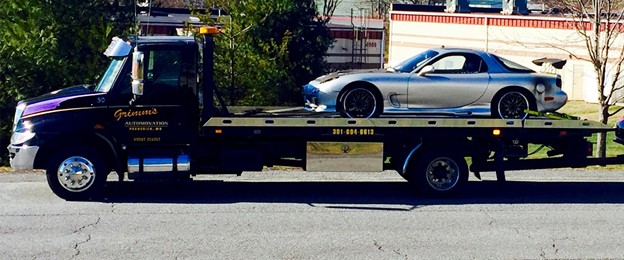
When your car won’t move, the fastest choice can also be the safest one. Flatbed Towing lifts the entire vehicle onto a level deck. This way, nothing rolls on the road during transport. It’s especially good for modern AWD systems, low-clearance bumpers, and any car that’s already damaged.
This guide is for U.S. drivers who want clear, practical answers. You’ll learn what flatbed towing is and how it works from start to finish. You’ll also see why prices can vary a lot from one place to another. The goal is simple: get the right truck, limit damage risk, and avoid paying for services you don’t need.
Cost is usually a mix of parts, not one mystery number. Most flatbed towing bills include a base or hook-up fee, mileage, and add-ons. These add-ons can be after-hours service, winching, cleanup, or special equipment. “Average” pricing changes with traffic, distance, local labor rates, and how hard the recovery is.
It also helps to know the language used on the phone. Terms like flatbed, rollback, wrecker, and wheel-lift can point to very different methods and risks. Understanding how flatbed towing works makes it easier to confirm what’s being sent and why.
Finally, legitimate towing companies may follow state and local rules on licensing, insurance, and safe securement. These requirements can affect availability and price, especially during storms, holidays, or peak commute hours.
Key Takeaways
- Flatbed Towing carries your vehicle with all four wheels off the ground, reducing wear and damage risk.
- Most flatbed towing charges combine a hook-up fee, mileage, and possible surcharges.
- How flatbed towing works can change based on vehicle condition, location, and recovery difficulty.
- “Average” towing cost varies by market, time of day, and the route from pick-up to drop-off.
- Knowing the difference between a flatbed, rollback, wheel-lift, and wrecker helps you choose the safest method.
- Licensing, insurance, and securement rules can influence both pricing and response times in the United States.
What Is Flatbed Towing and When It’s Used
Flatbed towing uses a truck with a full-length deck that carries your vehicle completely off the road. The driver tilts the bed, guides the vehicle up, then secures it with straps and tie-down points. This method helps avoid extra miles on tires and reduces the chance of scrape damage during transport.
The benefits of flatbed towing are most noticeable when a vehicle is low, disabled, or hard to move. And here It’s also a common choice for trips to a body shop or dealership, where keeping the vehicle stable matters. The goal is simple: move the car without adding stress to parts that may already be failing.
Common situations that require a flatbed tow
Flatbed towing is often requested when the vehicle can’t roll freely or shouldn’t be dragged. After a crash, wheels may be bent, airbags may have deployed, or steering may be locked. A dead battery can also leave the steering locked on some models, making loading safer than pulling.
Drivetrain trouble is another big trigger. If the transmission, axle, or differential is damaged, moving the vehicle on its own wheels can make things worse. The benefits of flatbed towing are also clear during roadside recovery, when a shoulder is narrow or the car is stuck in a spot where a careful winch-and-load is the cleanest option.
Types of vehicles typically transported on flatbeds
Many shops and drivers prefer flatbed towing for AWD and 4WD vehicles, since rolling wheels can stress the drivetrain if the setup isn’t right. Low-clearance cars are also common, because steep angles can scrape bumpers, splitters, or exhaust parts. For the same reason, luxury, exotic, and classic vehicles are frequently moved this way to protect paint and trim.
Motorcycles can be carried on a flatbed when proper wheel chocks and straps are used. Vehicles with severe tire damage, broken suspension parts, or missing wheels also fit the flatbed approach, since the deck supports the load and limits unwanted movement. These are practical benefits of flatbed towing when the vehicle’s condition is uncertain.
When a flatbed is safer than other towing methods
A flatbed is often safer than wheel-lift or dolly towing when the drivetrain could be stressed, which is a known concern for many AWD systems. It’s also safer when the car sits low or has body damage that could catch on the road. In those moments, flatbed towing keeps the vehicle level and reduces contact with pavement.
| Situation | Why a flatbed is preferred | What it helps prevent |
| AWD or 4WD drivetrain | And it keeps all wheels off the ground during transport | Drivetrain bind, transfer case strain, uneven wheel rotation |
| Low ground clearance | Gentler loading angle and full support on the deck | Bumper scrapes, undercarriage hits, exhaust damage |
| Post-collision condition unknown | Stable platform with controlled winching and tie-down points | Dragging damage, shifting loads, added suspension stress |
| Blown tire or broken suspension | Vehicle can be loaded without rolling on damaged parts | Rim destruction, further suspension failure, road debris risk |
How Flatbed Towing Works Step by Step
It all starts with a call to dispatch. They ask for the exact address or a nearby landmark. They also want to know the vehicle type and condition. Plus, they check if it rolls, steers, and brakes, and if there are any hazards like traffic or a dead battery.
Next, the truck is positioned. The operator parks to protect the scene and reduce the loading angle. Hazard lights and cones may go out first so drivers can see what’s happening.
Then, the bed is deployed. The deck tilts and may slide back, creating a ramp. This setup keeps the approach smooth, which matters for low-clearance cars and long wheelbases.
Loading is the key decision point. If the vehicle is safe to move under its own power, it can be driven up slowly with guidance. If it won’t start, has wheel damage, or can’t brake, the operator uses a winch and a proper attachment point to pull it onto the deck.
Securement comes right after the wheels are on the platform. Standard practice uses rated tie-down straps or chains, often with wheel straps, to limit bounce and side-to-side shift. The vehicle is centered for balance so the ride stays stable at highway speed.
During transport, the biggest benefit of flatbed towing is that the vehicle stays fully on the deck. It also helps keep the load predictable during turns and hard stops.
Unloading reverses the process. The operator loosens straps, tilts the bed, and rolls the vehicle down with control. Before leaving, they confirm the drop location and do a quick visual check, which is one more practical detail in how flatbed towing works.
- Drive-on is used when the vehicle is operable and safe to control.
- Winch-on is used when the vehicle is disabled, damaged, or unsafe to drive up the ramp.
| Step | What happens | Question for Why it matters for safety and damage control |
| Dispatch intake | Address or landmark, vehicle type, condition, hazards, and destination are confirmed | Right truck and gear arrive, and the driver can plan a safer approach |
| Truck positioning | Truck is placed for visibility, space, and a workable loading angle | Reduces risk from passing traffic and prevents steep ramp contact |
| Bed deployment | Bed tilts and may extend to form a ramp | Smoother loading protects bumpers, splitters, and undercarriages |
| Loading method | Vehicle is driven up or winched using a rated line and correct hook point | Choosing winch vs drive-on avoids uncontrolled movement and extra damage |
| Securement | Rated straps or chains are applied, often with wheel straps, and the vehicle is centered | Keeps the load stable and reduces shift that can stress suspension parts |
| Transport | Vehicle rides fully on the deck | Improves stability and avoids rolling wear on tires and drivetrain components |
| Unloading | Straps are removed, bed tilts, and the vehicle is rolled down to the confirmed spot | Controlled descent helps prevent curb strikes and placement mistakes |
Flatbed Towing
Flatbed towing means carrying the vehicle instead of dragging it. The car rides on a level deck. This way, the truck does more of the work, not your tires or drivetrain.
Drivers often compare flatbed tow truck vs wrecker options. The safest choice depends on the scene. Space, traffic, and vehicle condition all play a role in what can be loaded and how quickly it can be moved.
Why it’s considered the safest option
With flatbed towing, all four wheels are up off the roadway. This reduces tire contact, lowers sway, and avoids secondary damage from potholes or road debris.
It also gives the operator steadier control during braking and lane changes. The load sits centered on the deck. This makes the truck more predictable than partial-lift methods.
What makes it different from other towing styles
The main difference is “carry” versus “tow.” Flatbed towing carries the vehicle fully supported. Many wrecker or wheel-lift setups tow with two wheels still rolling on the road.
This matters for drivetrain rotation and steering alignment. In flatbed tow truck vs wrecker decisions, flatbeds often reduce risk for AWD and 4WD systems. This is because the wheels aren’t turning as the truck moves.
| Detail | Flatbed towing | Wrecker-style tow (wheel-lift) |
| How the vehicle moves | Carried on a deck, no tire contact | Two wheels lifted, two wheels may roll |
| Exposure to road debris | Low, vehicle stays off the pavement | Higher, rolling tires and low parts stay near the road |
| Drivetrain concerns | Helps avoid unwanted drivetrain rotation | Can be risky if the wrong wheels stay on the ground |
| Best fit | Damage prevention and controlled transport | Tight access, short moves, and some recovery scenes |
How to decide if you need a flatbed for your vehicle
Use a quick checklist before choosing between flatbed tow truck vs wrecker service. When the goal is protection, flatbed towing is often the safer call.
- Choose flatbed towing for AWD or 4WD vehicles.
- Choose it for low-clearance cars, including many sporty trims and EVs.
- Choose it when the vehicle is heavily damaged, missing a wheel, or can’t roll or steer safely.
- Choose it for classic or high-value vehicles where paint, wheels, and underbody matter.
- Consider a wrecker-style option when access is tight, like parking garages or narrow alleys, and the tow is short and straightforward.
In many dispatch calls, “wrecker” can also mean recovery-focused equipment used to stabilize and extract a vehicle. That’s why flatbed towing and recovery gear are often discussed together, even when the final transport plan changes.
Benefits of Flatbed Towing for Vehicle Protection
Flatbed towing is great for avoiding damage during a move. It keeps your vehicle stable, not moving like a load. This protects expensive parts and prevents small issues from getting worse.
While it costs more than some towing methods, it’s worth it for many. It helps avoid damage like scraping, vibration, or stress on the drivetrain.
Reducing wear on tires, drivetrain, and suspension
Flatbed towing means your tires don’t spin for miles. This reduces wear and saves mileage. It also lowers heat and stress on suspension parts over rough roads.
This is especially good for AWD and 4WD vehicles. It prevents strain on the drivetrain. Axles, differentials, and transfer cases don’t rotate while being moved.
Preventing undercarriage damage on low-clearance vehicles
Low-clearance vehicles can scrape on steep driveways or uneven ramps. A flatbed’s controlled angle and full deck protect front parts and side skirts.
For electric vehicles, the underfloor battery pack is a big concern. The extra cost of flatbed towing may seem high. But it can prevent costly repairs from contact underneath.
Improving stability for long-distance transport
Flatbeds are stable and predictable at highway speeds. The vehicle is centered and fully supported. This reduces sway and fishtailing risk.
These benefits make flatbed towing a smart choice for protection in bad weather or sudden lane changes. The cost can be worth it to avoid expensive repairs later.
| Protection focus | What a flatbed helps prevent | Why it can justify flatbed towing cost |
| Tires and mileage | Tread wear, added odometer miles, heat buildup from rolling | Helps avoid premature tire replacement and keeps mileage accurate for resale |
| AWD/4WD drivetrain | Driveline bind, transfer case stress, differential strain from improper towing | Reduces the chance of drivetrain repairs that can exceed the tow bill |
| Low-clearance body parts | Scrapes to splitters, air dams, side skirts, rocker panels | Protects painted and plastic parts that often require full replacement |
| EV underfloor components | Impact risk to battery pack shielding and underbody panels | Supports careful loading that helps limit high-cost EV damage |
| Long-distance stability | Sway, vibration, shifting load, uneven strap tension over time | Offers steadier transport that can reduce damage from movement during the haul |
Flatbed Towing Cost Basics and Typical Price Ranges in the US
Flatbed towing costs aren’t always straightforward. Your bill is made up of several parts common in the U.S. Understanding these parts can make the cost clearer.
What you’re usually paying for in a flatbed service call
Most bills start with a call-out or hook-up fee. This fee covers the cost of dispatch, the truck, and the operator’s time to get to you and load your vehicle. It’s often charged even for short tows.
Mileage is another big part. Companies usually charge by the mile, sometimes with minimums or tiered pricing for longer trips. If your car needs to be pulled out of a ditch or a tight spot, extra labor and equipment costs can add up.
Wait time can also be a factor. This includes time spent waiting behind accidents, police holds, or slow loading. Rates can be higher for after-hours, weekend, or holiday service. Tolls and storage fees may also apply if your vehicle is held at a yard.
Average cost of a flatbed tow truck? What to expect
Many drivers wonder about the average cost of a flatbed tow truck. The answer is a range, not a single price. A short local tow might cost around a base fee plus mileage, while longer trips can add up miles quickly.
Flatbeds carry the whole vehicle, which can increase costs. This is because of the higher equipment and operating costs. Even when the distance is the same, this can affect the price.
Be cautious of “starting at” ads. They might only include the hook-up fee and a small mileage minimum, with extras billed later. Always ask what’s included before the trip is confirmed.
| Invoice line item | What it covers | Common pricing style | What can increase it |
| Call-out / hook-up / base fee | Dispatch, truck roll, loading setup, operator time on scene | Flat fee, often required | Remote pickup, heavy traffic, limited fleet availability |
| Mileage rate | Distance from pickup to drop-off (and sometimes deadhead rules) | Per-mile with minimums or tiered miles | Long distance, detours, route complexity, metro congestion |
| Winching / recovery | Pulling a vehicle from mud, snow, ditch, or tight access areas | Per pull, per minute, or flat recovery fee | Steep grades, blocked wheels, low clearance, poor traction |
| Wait time | Time spent beyond normal loading and securing | Per 15 minutes or per hour | Police holds, gated access, paperwork delays, traffic control |
| After-hours premium | Service outside standard business hours | Higher base fee or surcharge | Nights, weekends, holidays, severe weather |
| Tolls and storage | Road tolls and daily yard fees if the vehicle is held | Pass-through tolls; daily storage rate | Impound holds, delayed pickup, limited lot space |
Why prices vary so widely by region and provider
Rates can vary a lot between big cities and rural areas. Cities often face higher insurance, wages, and parking costs. Rural areas may have longer drive times to reach you. Fuel costs and traffic patterns also play a role.
Provider differences matter too. Companies with newer trucks, higher coverage limits, and 24/7 service may charge differently than smaller operators. When comparing quotes, look at the full breakdown to ensure you’re getting what you pay for.
If you’re still unsure, ask about the base fee, mileage rate, and any likely add-ons for your situation. Clear line items help you compare offers without confusion.
Factors for Flatbed Towing Cost That Raise or Lower Your Bill
Drivers often wonder why some quotes are higher than others. The main reasons include the time it takes, the truck’s setup, and the risk at pickup. Even small details can affect the cost, especially if the operator has to work slower or needs extra gear.
Distance, time, and route complexity
Mileage and time are key. Heavy traffic, construction, and city streets can increase the cost. Steep grades, narrow roads, and tolls also add to the bill.
Pickup and drop access play a big role. A tight alley, gated lot, or busy shoulder can slow loading. These situations often lead to extra charges for labor or time.
Vehicle size, weight, and condition
Bigger and heavier vehicles cost more to tow. Full-size vans, heavy-duty pickups, and many EVs have high curb weight. This affects the equipment choice and loading time, impacting the cost.
Vehicle condition is crucial. Locked wheels, stuck parking brakes, or steering issues can make loading slower. These problems often require the use of wheel dollies or skates.
Winching, recovery difficulty, and special equipment needs
Winching is extra if the vehicle is not in a flat spot. A car in a ditch, mud, or snow may need a longer pull. This increases the cost quickly.
Some recoveries need more than one cable pull. This includes parking structure extractions, off-road angles, or a dead vehicle wedged against a curb. These situations require extra equipment and time, raising the cost.
After-hours, weekends, holidays, and weather conditions
Night calls and holiday dispatches have higher rates. Staffing is tighter, and response times can stretch. This raises the cost in many markets. Major local events can also add to the time charges.
Weather changes everything. Rain, ice, and high winds slow loading and increase hazards. These factors may lead to higher labor time or a safety surcharge.
| Pricing driver | What makes it cost more | What can keep it lower | Typical add-on trigger |
| Distance and time | Traffic delays, long idle time, slow loading zones | Clear pickup spot, direct route, destination ready | Time-on-scene beyond the base allowance |
| Route complexity | Mountain grades, toll roads, tight access, narrow streets | Easy highway route, wide shoulders, simple lot access | Special routing or difficult approach to the vehicle |
| Vehicle weight and size | Heavy EVs, full-size vans, oversized pickups | Standard sedans and small crossovers that fit easily | Higher-capacity truck requirement or longer loading time |
| Vehicle condition | Locked wheels, no steering, suspension damage | Vehicle rolls and steers, keys available | Wheel dollies, skates, or extra labor to reposition |
| Recovery and winching | Ditch, mud, snow, off-road angles, garage extraction | Vehicle on pavement with straight access to the bed | Winch line pull, rigging, snatch block use |
| After-hours and weather | Late night, weekends, holidays, storms, icy roads | Weekday daytime, mild weather, safe working area | Risk-based surcharge or extended job time |
To avoid surprises, confirm the basics before dispatch. These simple steps can reduce the factors for flatbed towing cost that stem from missing details.
- Have the exact destination address and a clear drop spot ready.
- Remove valuables and personal items before the truck arrives.
- Share accurate details: wheel damage, low clearance, dead battery, or warning lights.
- Confirm whether the vehicle rolls and steers, and whether the key is available.
How Much Does a 100 Mile Tow Cost? Real-World Pricing Drivers
When you ask, how much does a 100 mile tow cost?, the answer varies. Most quotes start with a base fee, then add mileage and time charges. You might also see extra fees for special conditions.
Mileage is a big factor in pricing. Some companies charge only for the miles driven. Others charge from the truck’s start to your pickup and then to the drop-off. This can add up if the truck is far away.
Minimum charges are common for long trips. Even if the trip is quick, companies may charge a minimum. Tolls can also add to the cost, especially on busy roads.
For flatbed towing on a 100-mile trip, road type and timing matter most. Interstate miles are often cheaper, but city traffic can increase costs. Nighttime, weekends, bad weather, and tight spots can also raise the price.
| Pricing piece | How it’s calculated | What changes the total most | What to confirm before dispatch |
| Base / hook-up fee | Set charge for sending a truck and loading | After-hours service, heavy-duty equipment, difficult access | Is the hook-up fee included in the quoted price or added later? |
| Mileage charge | Per-mile rate times billed miles | Loaded miles vs dispatch-to-pickup-to-drop-off billing; detours | Which miles are billed, and what address is used as the start point? |
| Time / waiting | Per-minute or per-hour rate during delays | Traffic jams, police holds, shop delays, gate access | When does waiting time start, and is there a free grace period? |
| Surcharges and add-ons | Fixed fees added for special conditions | Tolls, winching, recovery work, storage, roadside labor | Which add-ons are possible for your exact pickup location? |
If you’re still unsure about the cost of a 100 mile tow, ask for a detailed quote. Make sure the mileage and any extra fees are clear. This helps you compare prices without surprises.
Flatbed Tow Truck vs Wrecker: Which Service Fits Your Situation
Choosing between a flatbed tow truck and a wrecker depends on the situation. Flatbed towing is for safe transport with all wheels off the ground. A wrecker is better for recovery jobs, not just simple pickups.
Best use cases for a wrecker tow truck
A wrecker is great for tough jobs like crashes or vehicles stuck in ditches. It can rotate, upright, or pull a vehicle to safety before moving. In many U.S. fleets, “wrecker” means recovery gear like boom, winch, and rigging, not just towing.
It’s also useful when loading is risky due to traffic. On a busy shoulder, a wrecker can move the vehicle faster. Then, it can be handed over to flatbed towing for safe transport.
| Situation | Wrecker advantage | Flatbed towing advantage |
| Vehicle in a ditch or on soft ground | Winching and controlled pull to recover without dragging | Safer transport after recovery, with stable tie-down points |
| Post-collision with wheels turned or suspension shifted | Can reposition and clear the scene fast | Minimizes added stress during the trip once loaded |
| Tight parking garage or cramped lot | Shorter maneuvering space for a quick lift | May need more room for the bed to slide and tilt |
| All-wheel drive vehicle or low clearance | Limited if any wheels remain on the ground | Best choice for full off-ground transport and clearance |
Damage risks and limitations compared to flatbeds
With a wrecker, the vehicle is often partially lifted. This can stress AWD systems if the setup is wrong. EVs have strict tow points and clearance limits, so the wrong lift can be costly.
Low front bumpers, sport body kits, and long wheelbases are at higher risk. If the hook point is off or the angle is steep, it can damage plastics, bend shields, or stress a damaged suspension. Flatbed towing usually reduces these risks by keeping the vehicle level and fully supported.
Questions to ask dispatch before choosing a method
A quick call can prevent extra charges and avoid damage. These questions help the company send the right truck the first time, whether it’s flatbed towing or a wrecker with recovery tools.
- Is the vehicle AWD/4WD or an EV?
- Does it roll, steer, and brake? Are any wheels missing, locked, or broken?
- Is there body damage that changes safe attachment points?
- Is the pickup in a garage, a tight lot, or on a busy shoulder?
- Will winching be required, and how is it billed (hook-up, labor time, per pull, or per foot)?
When cost is tight, ask for the option that lowers total risk. The cheapest dispatch choice in a flatbed tow truck vs wrecker decision can get expensive if it leads to undercarriage damage, drivetrain issues, or a second trip.
Flatbed Tow Truck vs Rollback: Understanding the Difference
In many U.S. cities, people often ask for a “rollback” when they mean a flatbed. This confusion makes flatbed tow truck vs rollback seem like two different tools, even if the truck is the same. Flatbed towing aims to get the vehicle off the road and onto a deck for a smoother ride.
What “rollback” means in towing
A rollback is a carrier truck with a bed that tilts and slides back to the ground. This allows a vehicle to be pulled on with a winch. So, a rollback is often a type of flatbed, not a separate category. The choice between flatbed tow truck vs rollback often depends on local terms and the equipment a company uses.
Some fleets use “flatbed” for any carrier truck, while others say “rollback” only when the deck slides. Either way, flatbed towing means the car rides with all four wheels off the pavement.
Loading angle, deck operation, and vehicle clearance
Loading angle is crucial for low-clearance cars, long wheelbases, and vehicles with body kits. A steep tilt can damage bumpers, splitters, or exhaust. Skilled operators use different angles and aids like boards to avoid damage.
Deck length, tilt range, and winch pull vary between trucks. This makes flatbed tow truck vs rollback not always a clear comparison. Two carriers can look alike but load differently, affecting the towing process for your vehicle.
| Feature | What it affects during loading | What to tell dispatch |
| Tilt angle range | Lower angles help prevent scraping on low cars and longer front overhangs | Vehicle ride height, front lip, and any underbody damage |
| Sliding deck travel | More slide can shorten the ramp feel and improve approach on uneven ground | If the car is stuck in a dip, driveway, or sloped parking spot |
| Winch capacity and cable condition | Determines how safely a non-running or locked-wheel vehicle can be pulled onboard | Whether it starts, rolls in neutral, or has a parking brake issue |
| Deck length and tie-down points | Impacts fit and securement for SUVs, trucks, and long-wheelbase sedans | Vehicle type, weight class, and any oversized tires |
Common misconceptions in towing terminology
One common myth is that “rollback” means the car rolls backward during transport. It does not. It describes the bed mechanism that rolls back and tilts for loading, which still supports flatbed towing once the vehicle is secured.
Another mix-up is assuming every “flatbed” loads the same. Deck height, ramp geometry, and winch strength can differ a lot, even within the same brand line like Ford or Ram chassis setups. When you call, describe the car and its condition first; then ask what carrier the driver will use. This helps avoid the wrong setup.
Wheel Lift Towing vs Flatbeds: Pros, Cons, and Cost Considerations
Choosing a tow method depends on several factors. These include access, vehicle type, and risk. Wheel lift towing is quick in tight city spots. On the other hand, a flatbed keeps a vehicle fully off the road.
The right choice can also affect your bill. Flatbed towing cost can go up due to extra loading time or equipment.
How wheel lift towing works
Wheel lift towing uses a hydraulic yoke that slides under a vehicle’s front or rear tires. The operator raises that end, and the other two wheels stay on the pavement during the tow.
For certain vehicles, dollies may be added under the rolling wheels. This setup can reduce drivetrain stress when done correctly.
When wheel lift towing is appropriate (and when it’s not)
Wheel lift towing is good for short moves and standard cars that roll freely. It’s also useful in tight spots where a flatbed can’t fit.
However, it’s not ideal for AWD or 4WD without dollies and proper procedures. It’s also risky for low-clearance cars, locked steering, seized wheels, or heavy damage.
Comparing wheel lift towing pricing to flatbed towing cost
For simple, short tows, wheel lift towing may be cheaper. Hookup is quick, and the truck setup is lighter. Many drivers prefer it for fast dispatch and loading in traffic.
flatbed towing cost may seem higher at first. But it can save money by preventing damage and wear. It also reduces the risk of extra fees for dollies, loading angles, or roadside re-hooks.
| Factor | wheel lift towing | flatbed towing cost |
| Loading speed | Usually faster for curbside pickups and quick relocations | May take longer due to winching and deck positioning |
| Best-fit vehicles | Most FWD/RWD vehicles that roll and steer normally | Low-clearance cars, EVs, motorcycles, and many damaged vehicles |
| Drivetrain risk | Higher for AWD/4WD if dollies are not used correctly | Lower since the vehicle rides with all wheels off the road |
| Access and space | Strong in tight lots, garages, and narrow streets | Needs room to align and load, especially on slopes |
| Common add-ons that affect price | Dollies, extra labor for locked wheels, careful strap points | Winching, skid plates, extra tie-downs, long-distance mileage |
Flatbed Tow Truck License and Operator Requirements in the United States
In the U.S., getting a flatbed tow truck license varies by state and the truck’s weight. Many drivers can use a standard license, but some need a Commercial Driver’s License (CDL). This is true for heavier loads and special equipment.
Even without a CDL, towing companies often have high standards. They might ask for driver training, drug tests, and equipment checks. For flatbed towing, it’s important to use the right straps, lights, and safety gear.
Having the right license and insurance can help avoid accidents. It also makes it easier to deal with damage claims. This is important for your car’s safety while it’s being towed.
- Confirm the company name matches the truck markings and the receipt.
- Ask how they handle damage claims and what documentation you’ll receive.
- Verify the operator can provide proof of insurance on request.
- Check whether the tow meets local rules for impounds or highway calls, which can be stricter.
| What to verify before dispatch | Why it matters for flatbed towing | What you should receive |
| Driver qualification for the truck’s GVWR (CDL when required) | Weight-rated operation reduces loading errors and improves control in traffic and on grades | Clear confirmation of driver credentials if requested and allowed by company policy |
| Active insurance (liability and cargo/on-hook coverage, if offered) | Protects you if the vehicle is damaged while being loaded, transported, or stored | Insurance information and a straightforward claims process description |
| Securement equipment condition (rated straps, chains, binders, wheel nets) | Correct rated gear helps prevent shifting, rim scuffs, and suspension stress | Visual check during loading and a short explanation of tie-down points used |
| Dispatch details (pickup location, destination, vehicle condition notes) | Accurate notes reduce surprises like extra winching time or wrong truck type | Itemized receipt with date, time, pickup, drop-off, and charges |
| Authority for impound or highway rotation calls (when applicable) | Some locations require approved operators to avoid delays or release issues | Tow paperwork that meets local requirements for release or storage |
When you need a tow for a disabled car, an all-wheel-drive vehicle, or a low-clearance model, flatbed towing is a good choice. It avoids drivetrain wear and scraping. The right truck and license make the towing process smooth from start to finish.
Flatbed Tow Truck Rental: When Renting a Flatbed Makes Sense
For planned moves, renting a flatbed tow truck can be a good choice. It lets you control the timing, loading, and route. You also handle the securement and make important decisions on the road.
In most emergency breakdowns, flatbed towing is still the best option. Dispatch can send the right equipment and handle traffic risks. They also document the pickup. Rent for planned moves you can manage; call for urgent, damaged, or unsafe situations.
Who might consider a rental instead of a towing service
A flatbed tow truck rental is good for non-emergency moves. This includes moving a project car to a shop or transporting a vehicle to an auction. Small businesses might use rentals for short-term needs when they can plan around daylight and low-traffic hours.
Renting works best when the vehicle rolls, steers, and brakes well. The route should avoid tight streets and steep grades. If the car is stuck, leaking, or has wheel damage, it’s safer to have a pro tow it.
Insurance, deposits, and hidden fees to watch for
Rental pricing might seem simple, but add-ons can increase the cost. A flatbed tow truck rental may have a daily rate, but the final bill can change with mileage, fuel policies, and damage coverage. Always read the fine print for limits and exclusions.
- Security deposit holds that tie up funds until the truck is returned and inspected
- Mileage charges that rise fast on long, one-way trips
- Fuel rules, such as “return full,” plus refueling markups
- Damage waivers that do not cover the cargo vehicle or improper loading
- Coverage gaps between personal auto insurance, credit card benefits, and the rental agreement
| Cost item | What to confirm before checkout | Why it matters |
| Deposit and authorization hold | Hold amount, release time, and inspection rules | Prevents surprises if funds stay pending for days after return |
| Mileage and overage fees | Per-mile rate, included miles, and one-way rules | One extra detour can change the real cost of a rental |
| Fuel policy | Required fuel level and refueling price per gallon | Rental refuel rates can cost more than local pump prices |
| Damage waiver and exclusions | What counts as “damage,” plus loading and undercarriage exclusions | Improper tie-downs can void coverage during transport |
| Insurance responsibility | Liability limits, collision terms, and whether cargo is covered | A crash or load shift can create claims beyond the truck itself |
Safety and liability considerations for DIY transport
With a rental, you are in charge of the vehicle and cargo. You control the ramp angle, deck traction, and where the weight sits. Secure the vehicle with rated straps or chains, and check the tension after a few miles.
Driving a loaded flatbed changes how you brake and turn. Leave extra space, take wider turns, and avoid sudden lane changes. If a strap fails or a vehicle shifts, you could be liable. This is why flatbed towing is often chosen for risky moves.
How to Get an Accurate Quote and Avoid Overpaying
Flatbed pricing can seem unpredictable because it’s based on risk and time, not just distance. Knowing what affects the cost makes it easier to compare quotes. This knowledge also explains why prices can vary from one call to another.
Details to provide for a precise towing estimate
Give the exact pickup spot and the full destination address, including cross streets or a gate code. Share the vehicle year, make, and model, plus whether it’s AWD or 4WD. These details help determine the equipment needed, a big factor in the cost.
Describe the vehicle’s condition clearly: does it roll and steer, or is a wheel locked. Mention any flat tires, broken suspension, or dead battery. If it’s in a garage, ditch, median, or tight parking lot, let them know. This information can affect the cost more than you think.
What to ask about hook-up fees, mileage, and storage
Ask if the quote includes hook-up plus per-mile, and how mileage is counted. Some companies price from the truck’s current location, while others price pickup to drop-off. This pricing method is a key factor in the cost.
Confirm what’s included: after-hours, winching, dollies, wait time, tolls, and admin fees. Also ask about storage if the vehicle must be held, and when the clock starts. Clear answers help avoid unexpected costs after the job is done.
| Quote item to confirm | What to ask dispatch | What it changes on your bill |
| Hook-up or base charge | Is there a flat hook-up fee, and does it include loading and securing? | Sets the starting total before mileage and add-ons |
| Mileage pricing | Is mileage billed pickup-to-drop, or from the truck’s location to the drop? | Can add unexpected miles, especially in busy metro areas |
| Winching and recovery | Is winching included, and what counts as a “recovery” (ditch, median, soft ground)? | Often the biggest swing in factors for flatbed towing cost |
| Wait time | How many minutes are included, and what is the per-minute or per-15-minute rate? | Raises totals during traffic, breakdowns at checkout gates, or slow drop-offs |
| After-hours and weather | Are nights, weekends, holidays, or storms priced differently? | Explains why the average cost of a flatbed tow truck? varies by time and conditions |
| Storage | If the vehicle goes to a yard, when does storage start and what is the daily rate? | Prevents surprise charges after delivery |
Payment, invoicing, and receipt best practices for reimbursements
When possible, pay with a traceable method like a credit card. Then request an itemized receipt that lists pickup and drop-off locations, total mileage, time on scene, and every add-on. This detail supports roadside assistance reimbursements, insurance claims, and employer expense reports.
Before the truck arrives, ask how cancellations are handled and whether there is a fee. Keep a photo of the vehicle’s condition and the final invoice on your phone. This paper trail helps you challenge errors tied to factors for flatbed towing cost and keeps the average cost of a flatbed tow truck from turning into a dispute later.
Conclusion
Flatbed towing is often the safest way to move a vehicle. It rides fully on a deck, not on its own wheels. This design can lower the chance of scrapes, tire wear, and drivetrain stress. When you understand how flatbed towing works, it’s easier to choose the right method for your car, SUV, or truck.
Cost is not one flat rate, even for similar trips. Your total can include a base hook-up charge, per-mile pricing, and fees for winching or tricky recovery. Time of day, weather, traffic, and local demand also shape the bill, so clear details up front can prevent surprises.
The benefits of flatbed towing stand out when protection is the priority. This is especially true for low-clearance cars, all-wheel drive systems, or long-distance transport. Before dispatch sends a truck, confirm your vehicle’s condition and location, and mention any damage or locked wheels. Ask if the quote is itemized and what it covers, including storage or after-hours rates.
To wrap it up, treat towing like any other service purchase. Verify the method, confirm the price, and keep records. Flatbed towing can be a smart call when stability and damage control matter most. Document the final charges and save receipts, especially if you plan to file an insurance claim or request reimbursement.
Posted in Flatbed Towing